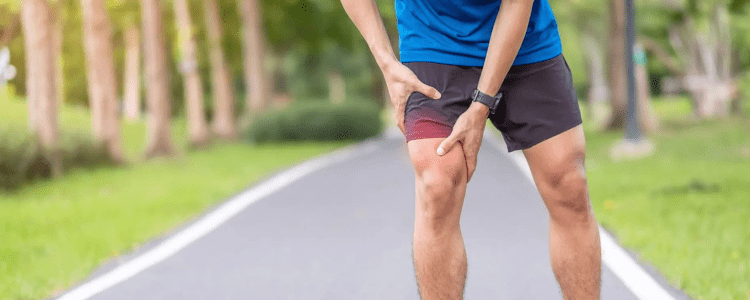
An anterior cruciate ligament (ACL) injury can be one of the most challenging setbacks for active individuals, whether you’re a weekend warrior or competitive athlete.
The anterior cruciate ligament plays a crucial role in knee stability, and when it’s damaged, the impact on your daily life and sporting activities can be significant. Understanding ACL injury symptoms early and seeking appropriate treatment of injuries can make a substantial difference to your recovery outcome.
At Coast Sport, our experienced physiotherapists specialise in ACL rehabilitation, guiding patients through every stage of recovery, from initial diagnosis through to a safe return to sport.
What is an ACL injury and how does it happen?
The ACL is one of the four main ligaments in your knee that provides stability by preventing excessive forward movement of the tibia (shin bone) on the femur (thigh bone). An ACL injury typically involves either a partial or complete tear of this vital ligament, with complete ruptures being more common due to the nature of how these injuries occur.
Most ACL injuries happen during sports that involve sudden stops, changes in direction, jumping, or pivoting movements. Football, netball, AFL, basketball, hockey, and skiing are among the highest-risk activities.
Interestingly, approximately 70% of ACL injuries occur through non-contact mechanisms such as landing awkwardly from a jump, rapid deceleration, or pivoting on a planted foot in a loaded position. The remaining 30% result from direct contact, such as a tackle or blow to the knee or leg.
Women are statistically at higher risk of ACL injury compared to men, with factors including differences in hip and knee alignment, ligament laxity, and neuromuscular control patterns contributing to this increased susceptibility.
What are the first ACL injury symptoms to watch for?
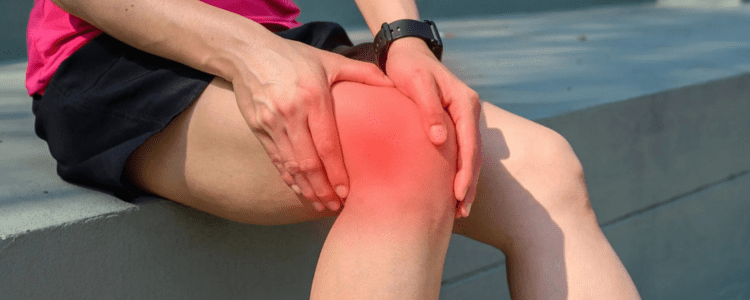
Recognising the first signs of an ACL injury is crucial for seeking timely treatment. The most common ACL injury symptoms include:
Immediate indicators:
- A distinctive “pop” sound or sensation in the knee at the time of injury—many people report hearing or feeling this clearly
- Sudden, severe pain in the knee joint
- Rapid swelling within the first few hours (haemarthrosis, or blood in the joint)
- Immediate inability to continue playing or performing the activity
- A sensation of the knee “giving way” or feeling unstable when bearing weight
Ongoing symptoms:
- Difficulty walking or limping, particularly in the first 24-48 hours
- Reduced range of motion in the knee
- Tenderness along the joint line
- Discomfort when attempting to fully straighten or bend the knee
- Instability, especially when trying to pivot or change direction
It’s worth noting that some people can still walk, or even jog in a straight line after an ACL injury, as the ligament is under more stress during rotational movements. However, attempting to pivot or cut will typically produce a clear sensation of instability. This doesn’t mean the injury is minor; it simply reflects the specific biomechanical function of the ACL.
How is an ACL injury diagnosed?
Diagnosis of an ACL injury involves both clinical assessment and imaging studies. Your physiotherapist can usually diagnose an ACL rupture through hands-on physical examination, using specific tests such as the Lachman test, anterior drawer test, and pivot shift test.
These clinical tests assess the stability of your knee and the integrity of the ACL with high accuracy.
However, an MRI is typically recommended to confirm the diagnosis and, crucially, to identify any associated injuries. ACL injuries often occur alongside damage to other structures, including the medial collateral ligament (MCL), meniscus, or bone bruising. Understanding the full extent of your injury is essential for developing an appropriate treatment plan.
You don’t necessarily need an MRI immediately if you’re waiting to see a specialist, but it will be required before making surgical decisions.
Your physiotherapist can initiate your rehabilitation programme while you await imaging or specialist consultation, as early intervention is beneficial regardless of whether you ultimately choose surgical or conservative management.
What does ACL physiotherapy involve?
ACL physiotherapy is a comprehensive rehabilitation program tailored to your specific injury, goals, and whether you’re managing your ACL injury conservatively or recovering from surgical reconstruction.
The treatment of anterior cruciate ligament injuries through physiotherapy follows evidence-based protocols and progresses through distinct phases.
Initial phase (Weeks 1-6)
The focus is on reducing pain and swelling, restoring normal walking patterns, and regaining full knee range of motion. Early weight-bearing is encouraged, and you may require crutches initially.
Quadriceps activation exercises are vital during this stage, as these muscles tend to shut down after ACL injury. Ice, compression, and gentle mobilisation techniques help manage swelling.
Strengthening phase (Weeks 6-12)
Once basic movement and walking are normalised, your ACL physiotherapy progresses to more intensive strengthening exercises targeting the quadriceps, hamstrings, glutes, and calf muscles.
Balance and proprioception (your body’s sense of position) exercises become increasingly important, as ACL injury affects these systems significantly.
Functional phase (3-6 months)
This phase introduces sport-specific movements, plyometric exercises (jumping and landing), and agility drills. Running typically begins around the 3-month mark, starting with straight-line jogging and gradually progressing to more complex patterns.
Return-to-sport phase (6-12 months)
The final phase focuses on preparing you for the demands of your chosen sport through progressive exposure to sport-specific activities, contact training, and psychological readiness assessment.
Throughout all phases, your physiotherapist monitors key markers such as strength symmetry (comparing injured to uninjured leg), hop test performance, and movement quality to determine safe progression between stages.
Conservative management of ACL injury follows a similar progression but may require additional focus on compensatory strategies and knee stability training.
How long does ACL recovery take with and without surgery?
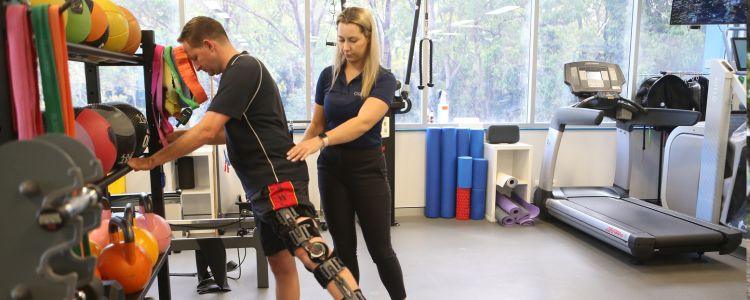
ACL recovery timelines vary significantly depending on whether you undergo surgical reconstruction or pursue conservative (non-surgical) management, as well as individual factors such as age, activity goals, associated injuries, and rehabilitation adherence.
With ACL reconstruction surgery
The typical timeline for return to sport is 9-12 months, though some athletes may require up to 18 months. Research consistently shows that delaying return to sport beyond 9 months significantly reduces re-injury risk—with every additional month of delayed return between 6 and 9 months, the re-injury risk is halved.
Early milestones include full weight-bearing (immediate to 2 weeks), full range of motion (6-8 weeks), straight-line running (3 months), and sport-specific training (6-9 months).
However, meeting these timeframes doesn’t automatically mean you’re ready to progress—your physiotherapist will use objective criteria to determine when you can safely advance.
Without surgery (conservative management):
Non-surgical ACL management can be successful for certain individuals, particularly those with partial tears, lower activity demands, good knee stability, or those who respond well to pre-habilitation.
The rehabilitation process follows a similar timeline and progression to post-surgical protocols, typically taking 6-9 months before considering return to sport.
Can an ACL heal without surgery? Technically, yes—the ligament may form scar tissue and partially heal, and some people develop sufficient muscular control and stability to compensate for the loss of ACL function. However, not everyone achieves adequate stability through conservative treatment, and some may experience ongoing instability or develop secondary problems like meniscus tears or early-onset arthritis over time.
The decision between surgical and non-surgical management should be made collaboratively with your physiotherapist and orthopaedic specialist, considering factors such as your age, activity level, associated injuries, knee stability, and personal goals.
What can you do to lower the risk of another ACL injury?
After one ACL injury, the risk of injuring either the reconstructed ACL or the opposite knee increases significantly. Fortunately, specific prevention strategies can reduce your re-injury risk substantially:
Structured neuromuscular training programmes have proven highly effective at reducing ACL injury rates. Programmes such as the FIFA 11+ (for football) and the Netball Knee Program incorporate exercises that address common risk factors including poor landing mechanics, inadequate hip and core control, and asymmetrical movement patterns.
Key prevention strategies include:
- Completing a full, criteria-based rehabilitation programme before returning to sport
- Incorporating plyometric training that emphasises proper landing technique (landing softly with knees aligned over toes, avoiding knee valgus)
- Strengthening exercises targeting the hamstrings, glutes, and hip stabilisers
- Balance and proprioception training to improve knee position awareness
- Sport-specific agility drills that challenge your ability to decelerate and change direction safely
- Pre-activity warm-up protocols that prepare your neuromuscular system for the demands ahead
Movement pattern retraining is crucial as many ACL injuries occur due to habitual movement patterns that place excessive stress on the ligament. Your physiotherapist can identify these risk factors through movement screening and provide specific correction strategies.
Continuing preventative exercises even after returning to sport is essential, as these benefits diminish once training stops. Make injury prevention exercises a permanent part of your training routine, not just something you do during rehabilitation.
What should you bring to your first ACL physio appointment?
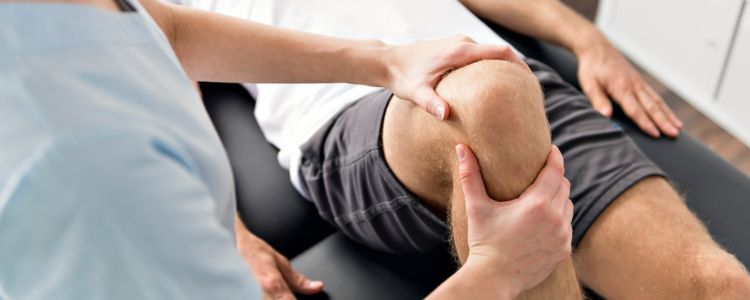
Coming prepared for your initial ACL physiotherapy appointment helps ensure you get the most from your consultation and allows your physiotherapist to develop the most effective treatment plan.
Essential items to bring:
- Any imaging results you’ve received (MRI scans, X-rays) including both the written report and images if available
- Details of any medication you’re taking, including anti-inflammatories or pain relief
- A list of your symptoms and how they’ve progressed since the injury
- Information about how the injury occurred and what you were doing at the time
- Your sporting history and activity goals—what sports or activities you want to return to
- Details of any previous knee injuries or surgery
- Comfortable clothing that allows your physiotherapist to assess your knee easily (shorts are ideal)
- Any questions or concerns you want to discuss
Information your physiotherapist will want to know:
- Your occupation and how your injury affects your work
- Your short-term and long-term activity goals
- Whether you’ve seen other healthcare providers about this injury
- Your availability for regular rehabilitation sessions
- Any constraints on your ability to commit to a home exercise programme
If you’ve recently had ACL reconstruction surgery, also bring details about the surgical procedure, any post-operative protocols provided by your surgeon, and information about your current weight-bearing status and movement restrictions.
Being open about your goals, concerns, and ability to commit to rehabilitation helps your physiotherapist tailor your programme to your specific circumstances and sets the foundation for a successful recovery partnership.
Start Your ACL Recovery Journey with Coast Sport
An ACL injury doesn’t have to mean the end of your active lifestyle. Our specialist physiotherapy team delivers thorough assessments, evidence-based treatment protocols, and customised rehabilitation programs designed to help you return to sport and the activities that matter most to you.
Contact us, and schedule your appointment at Coast Sport Erina or Tuggerah today.
Frequently asked questions
Is my knee safe to exercise on after an ACL tear?
Yes, your knee is safe to exercise on after an ACL tear, and in fact, appropriate exercise is essential for recovery, whether you’re pursuing surgical or conservative management.
However, the type of exercise matters significantly. In the early stages, focus on gentle range of motion exercises, quadriceps activation, and progressive weight-bearing as directed by your physiotherapist.
Avoid activities involving pivoting, jumping, or sudden direction changes until you’ve developed adequate strength and stability. Your physiotherapist will guide you on appropriate exercises for each stage of your recovery and ensure you’re not doing too much too soon, which could compromise your knee or lead to secondary injuries.
What happens if you do not repair a torn ACL?
If you don’t repair a torn ACL, outcomes vary significantly between individuals. Some people successfully manage ACL deficiency through conservative rehabilitation and activity modification, developing sufficient muscular control and stability to compensate for the missing ligament.
However, others experience ongoing instability, repeated “giving way” episodes, and difficulty with pivoting activities. Long-term complications of untreated ACL tears can include increased risk of meniscus tears (as the knee remains unstable), cartilage damage, and earlier onset of osteoarthritis.
The success of non-surgical management depends on factors including the degree of knee laxity, your activity demands, any associated injuries, and your neuromuscular control.
Working closely with your physiotherapist helps determine whether conservative management is appropriate for your situation or whether surgical reconstruction offers better long-term outcomes.
When can I return to sport after an ACL injury?
Return to sport after an ACL injury typically occurs between 9-12 months post-reconstruction, though individual timelines vary based on multiple factors. The critical point is that return to sport should be criteria-based rather than time-based.
Your physiotherapist will assess various markers including quadriceps and hamstring strength symmetry (typically requiring at least 90% symmetry between legs), hop test performance, movement quality during sport-specific tasks, psychological readiness, and your confidence in the knee.
Research clearly demonstrates that returning before 9 months significantly increases re-injury risk. For those managing ACL injury conservatively, similar timeframes and criteria apply, though some individuals may need to modify their sporting activities or level of competition.
Your physiotherapist works with you to ensure you’re truly ready for the demands of your sport, not just eager to get back to playing.
Where can I get ACL physiotherapy on the Central Coast?
Coast Sport provides specialist ACL physiotherapy services across the Central Coast, with experienced physiotherapists who understand the complexities of ACL injury management and recovery.
Our Erina & Tuggerah teams guide you through every stage from initial assessment and diagnosis through comprehensive rehabilitation to safe return to sport. We offer evidence-based treatment protocols, individualised programs tailored to your specific goals, and ongoing support throughout your recovery journey.
Our physiotherapists stay current with the latest research in ACL injury management and maintain strong relationships with local orthopaedic specialists, ensuring you receive seamless, coordinated care.
How do I know if I need surgery for my ACL injury?
The decision regarding surgery for an ACL injury isn’t straightforward and depends on multiple factors assessed collaboratively by you, your physiotherapist, and orthopaedic specialist.
Factors favouring surgical reconstruction include: complete ACL rupture with significant knee instability, associated injuries to other structures (meniscus, other ligaments), high-level sporting goals involving pivoting sports, young age with many active years ahead, and persistent instability despite initial rehabilitation attempts.
Conservative management may be appropriate for: partial ACL tears, individuals with lower activity demands, those who achieve good stability through pre-habilitation, certain age groups, or those with medical conditions that increase surgical risks.
Importantly, beginning physiotherapy before making a surgical decision is beneficial as it helps reduce swelling, restore movement, and improve strength, which leads to better surgical outcomes if you ultimately proceed with reconstruction.
Your physiotherapist can help you understand your options and guide you through the decision-making process based on your specific circumstances and goals.
 Helping the Central Coast Feel Well, Move Well and Perform Well!