As a dancer, your body is your instrument. At Coast Sport, we understand that the demands of training, rehearsal, and performance are unique and intense, requiring not only a high degree of strength, mobility, and technical prowess but also dedicated care. The services we provide at Coast Sport play a crucial role in supporting dancers, helping to prevent injuries, optimise technique, and manage the physical and nutritional stress inherent in your art form.


How we help dancers
- Physiotherapy: injury diagnosis, management, and rehabilitation for dancers at every level, and pre-pointe assessments for developing dancers looking to commence en pointe.
- Exercise physiology: tailored exercise programs to improve power, muscular endurance, and fitness to help optimise technique and reduce risk of injury.
- Dietetics: advice on adequate fuelling for training and performance to improve energy availability and support bone health.
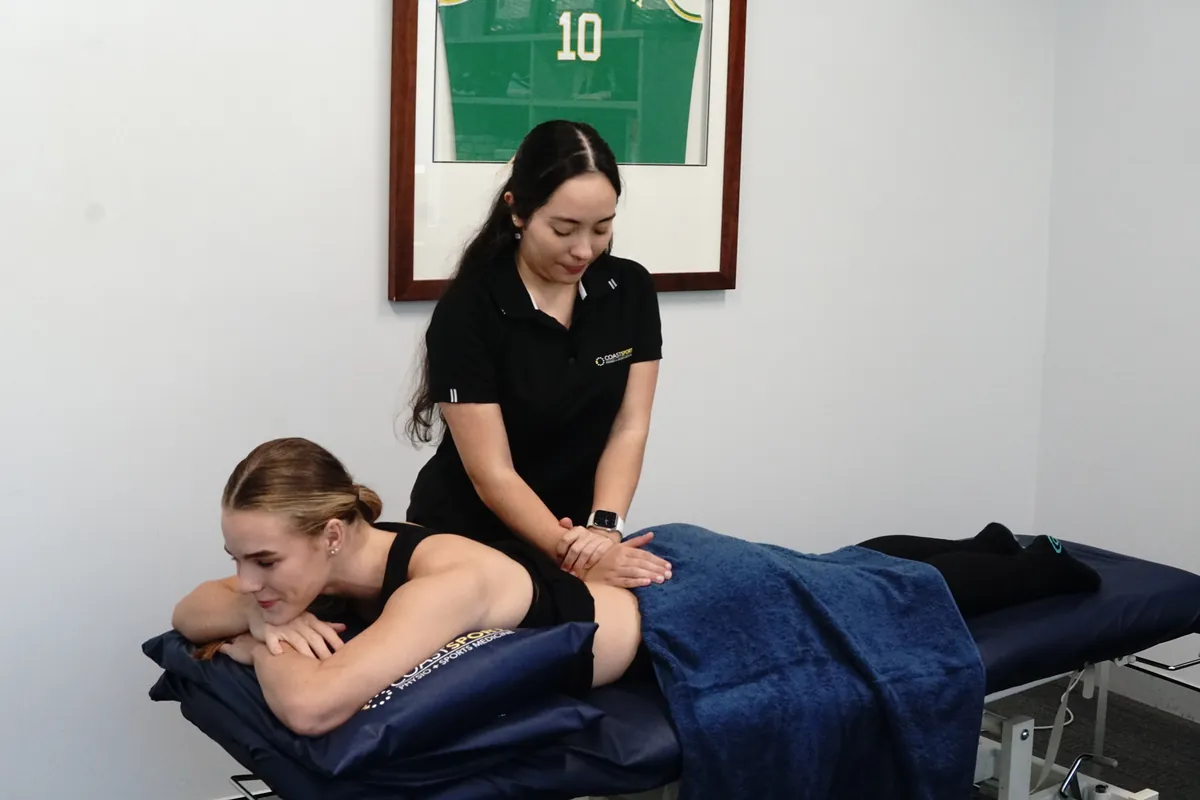
- Massage therapy: to support muscular recovery, reduce muscular tension, and reduce risk of injury.
Common dance injuries we treat
Foot & Ankle Injuries
In dance, the foot and ankle are commonly injured due to the repetitive nature of leaping, turning, and rising onto demi-pointe. A young dancer can develop Sever’s Disease, a wrong turn can result in an ankle sprain, and poor load management can lead to a stress fracture. Our physiotherapists can provide a thorough assessment, clear diagnosis, and thorough management plan for foot and ankle injuries sustained during dance.
Low Back Injuries
Due to the repetitive stress placed on a dancer, it is common to suffer from low back pain. If not assessed and treated correctly, these can lead to stress fractures in the low back. Our physios will guide you through a gradual return to sport program, working closely with your GP or Sports Physician to help you return to dancing as soon as it is safe to do so. Getting an early assessment is the key to preventing serious injuries and spending time away from dance.
Hip Injuries
Hip injuries are common in dance due to repetitive turnout positions. Common hip injuries in dancers include hamstring strains, hip flexor-related pain, and stress fractures. An assessment with a physiotherapist is important to determine the source of the pain and to create a clear management plan to keep you dancing. Our physiotherapists can determine the cause of your pain and design a tailored rehab program to help you stay dancing or return to dancing as soon as possible.
Injury prevention and screening
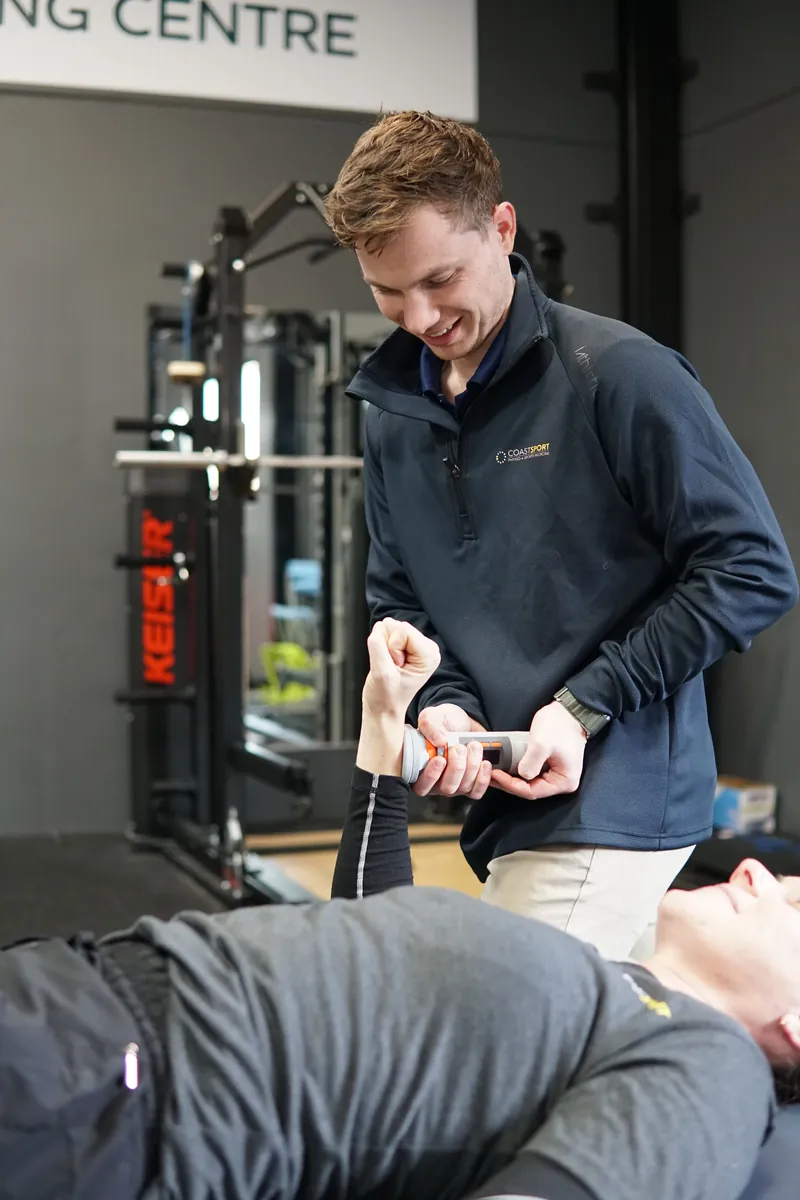
Most dance injuries occur when a dancer has a muscle imbalance or their training load increases without their body being able to keep up. A screening session with one of our physiotherapists can pick up on any weakness and areas for improvement, such as foot and ankle strength and stability, so you can work on these areas before they cause an injury. For developing dancers, this is done formally as a pre-pointe assessment. However, if you have any concerns throughout your dance career, book in for an assessment with our physiotherapy team.
Booked in for a pre-pointe assessment? Please download our pre-pointe assessment info document below!
Who we work with
At Coast Sport, we work closely with the Lee Academy, supporting dancers with injury prevention, recovery, rehabilitation, and performance.

Meet your dance physios

Chris Portlock
Chris is an APA Titled Sports & Exercise Physiotherapist at our Tuggerah clinic who works with Lee Academy to support them throughout the year. Read more about Chris here.

Samantha MacDonald
Sam is a physiotherapist at our Tuggerah clinic who has a special interest in dance and gymnastics injuries. She runs most of our pre-pointe assessments here at Coast Sport. Read more about Sam here.
Frequently asked questions
What’s a pre-pointe assessment?
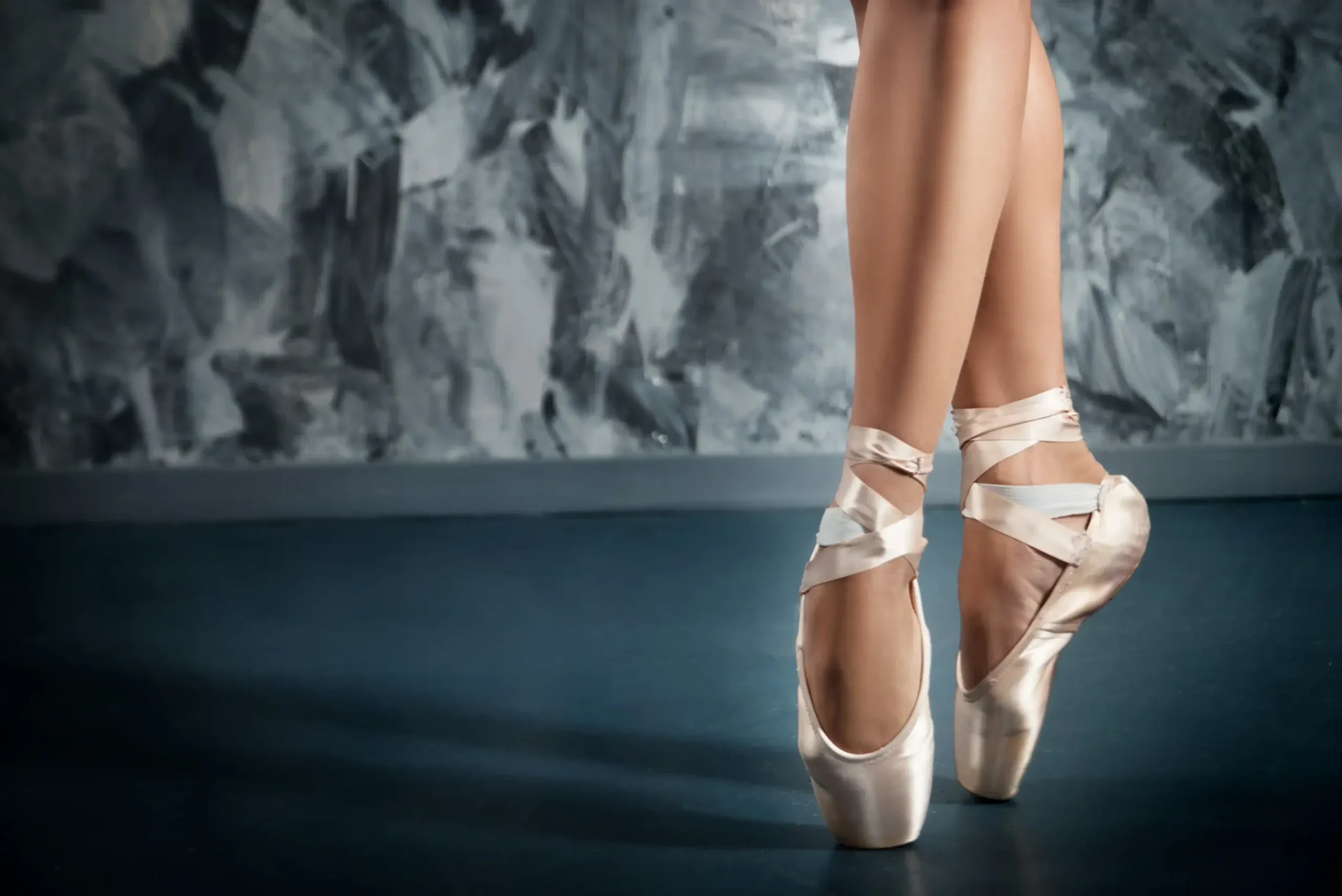
A pre-pointe assessment is a formal screening tool used to determine a dancer’s readiness to commence en pointe. It includes assessments of a dancer’s mobility, strength, and stability in key muscle groups and joints. Chat to your dance teacher about whether they think you’re ready to have a pre-pointe assessment.
When should I see a physio about my back pain?
One of the most common injuries in dance is low back pain, particularly when bending backwards. If you have pain that is restricting your mobility or your dance participation, book in to see one of our physiotherapists for a thorough assessment and management plan.
Do I need a referral to see a physio?
No, you can book straight in with one of our physios at Erina or Tuggerah. If you need an X-ray or MRI to assess your injury, we can refer you for one.
Resources

Got a dancing injury, or getting ready for competition season? Book in with our dance team at Coast Sport.
 Helping the Central Coast Feel Well, Move Well and Perform Well!