
Knee injuries are among the most common musculoskeletal complaints seen by our physiotherapists. Whether you’ve experienced trauma to the knee during sport, felt a sudden twinge whilst running, or developed gradual pain over time, understanding your knee joint injury is the first step towards effective recovery.
How do knee injuries happen?
The knee is a remarkable weight-bearing joint made up of four bones, multiple ligaments, tendons, and cartilage structures that work together to provide stability and movement. This complexity, whilst allowing for a wide range of activities, also makes the knee vulnerable to various injuries in both sporting and everyday situations.
Acute knee injuries typically result from sudden incidents during sport or daily activities. Common mechanisms include pivoting movements (particularly in sports like netball, soccer, and rugby), direct impacts to the knee, twisting under load, or force applied to the lower leg or foot. These sudden events can damage ligaments, tear cartilage, or even fracture bones around the knee.
Chronic or overuse injuries develop gradually through repetitive stress on the knee structures. Runners and cyclists frequently experience conditions like ITB syndrome, whilst jumping sports can lead to tendinopathies. Even general activities like climbing stairs or prolonged standing can contribute to conditions such as patellofemoral pain. Poor biomechanics at the foot and ankle, or referred pain from the hip or lower back, can also manifest as knee discomfort.
What are the most common knee injuries?
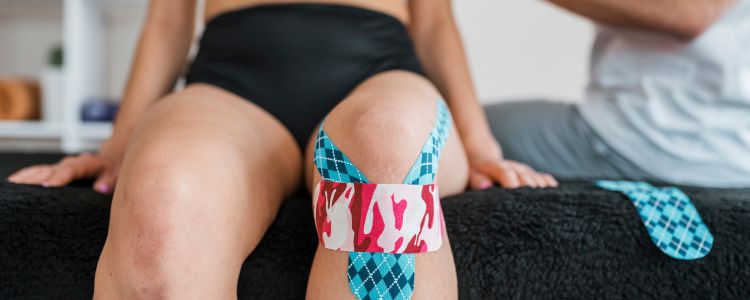
The most frequently seen types of knee injury include:
- Ligament injuries affect the stabilising structures of the knee. The anterior cruciate ligament (ACL) is often injured during pivoting sports, whilst the medial collateral ligament (MCL) can be damaged by direct force to the outside of the knee. The posterior cruciate ligament (PCL) and lateral collateral ligament (LCL) are less commonly injured but still significant.
- Meniscus tears involve the shock-absorbing cartilage within the knee joint. These can occur through sudden twisting movements or develop gradually through degenerative changes over time.
- Tendinopathies affect tendons around the knee, with patella tendinopathy (jumper’s knee) and quadriceps tendinopathy being particularly common in athletes. ITB syndrome, whilst technically affecting the iliotibial band, also causes lateral knee pain in runners and cyclists.
- Patellofemoral pain syndrome creates discomfort around or behind the kneecap and is one of the most frequent knee complaints, particularly in active individuals.
- Fractures around the knee, including patella (kneecap) fractures, can result from high-impact trauma and require immediate medical attention.
What symptoms should you watch for after knee trauma?
Recognising important symptoms following a knee injury helps determine when professional assessment is needed. Immediate medical attention is warranted if you experience severe pain, significant swelling within the first few hours, inability to bear weight on the leg, an audible ‘pop’ at the time of injury, visible deformity, or if the knee gives way repeatedly.
Swelling after a knee injury is normal and expected, particularly in the first 24-72 hours. However, rapid swelling (within 1-2 hours) or swelling accompanied by severe pain, heat, or redness may indicate a more serious injury requiring urgent assessment. Mild to moderate swelling that develops gradually over 24 hours is typical of many knee injuries.
Other symptoms to monitor include stiffness (especially morning stiffness), reduced range of motion, weakness in the leg, clicking or locking sensations, and pain that worsens with specific activities.
Even if symptoms seem minor initially, it’s advisable to see a physiotherapist for knee pain that persists beyond a few days, as early intervention typically leads to better outcomes.
How are knee injuries diagnosed?
A thorough assessment by your physiotherapist is essential for accurate diagnosis.
The diagnostic process begins with a detailed discussion about how your injury occurred, what movements aggravate or ease your pain, and how symptoms have progressed. This subjective information often provides valuable clues about which structures are involved.
Your physiotherapist will then perform various hands-on tests to assess stability, strength, flexibility, and function. These special tests can identify specific ligament injuries, meniscus tears, or other structural problems. Your gait pattern, alignment, and biomechanics will also be evaluated, as issues at the foot, ankle, hip, or lower back can contribute to knee pain.
Imaging may be recommended for suspected serious injuries. X-rays are useful for identifying fractures or bony abnormalities, whilst MRI scans provide detailed images of soft tissues, including ligaments, menisci, and tendons. However, not every knee injury requires imaging. Your physiotherapist can guide you on whether imaging is necessary or if conservative management should be trialled first. Many knee injuries can be effectively diagnosed and treated without expensive scans.
What does knee physiotherapy involve?
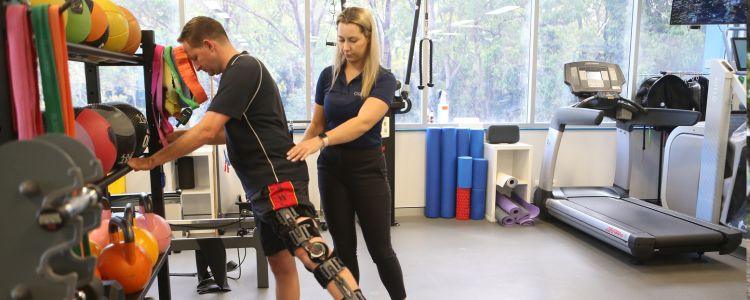
Knee physiotherapy employs a comprehensive, evidence-based approach tailored to your specific injury, goals, and activity level. Treatment progresses through several phases, beginning with pain and swelling management.
In the acute phase, physio exercises for knee pain focus on maintaining movement whilst protecting healing tissues. The RICE protocol (Rest, Ice, Compression, Elevation) remains valuable, though complete rest is rarely beneficial. Ice is typically most effective in the first 48-72 hours after injury for reducing pain and swelling, whilst heat may be more appropriate for chronic conditions or muscle stiffness.
As healing progresses, rehabilitation emphasises restoring full range of motion, building strength in the muscles supporting the knee, and addressing any biomechanical factors contributing to the injury. The best exercises for knee pain vary depending on your specific condition:
- For general knee strengthening: Quadriceps sets, straight leg raises, bridging exercises, mini squats, step-ups, and calf raises form the foundation. These exercises should be performed with proper form and gradually progressed in resistance and repetition.
- For patellofemoral pain: VMO (vastus medialis oblique) strengthening through terminal knee extensions, wall squats with emphasis on tracking, and hip strengthening exercises are particularly beneficial, as hip weakness often contributes to kneecap problems.
- For ACL injuries: Proprioception and balance exercises, controlled strength work, and gradual return to sport-specific movements under physiotherapy guidance are crucial. Post-operative ACL rehabilitation typically spans 9-12 months.
- For ITB syndrome: Foam rolling, hip strengthening (particularly hip abductors), and addressing training load are key management strategies.
Your physiotherapist will also incorporate manual therapy techniques, taping or bracing when appropriate, and provide guidance on activity modification.
Understanding the difference between a sprain (ligament injury), strain (muscle or tendon injury), and tear (partial or complete rupture of tissue) helps guide treatment intensity and timeframes.
How do you lower the risk of another knee injury?
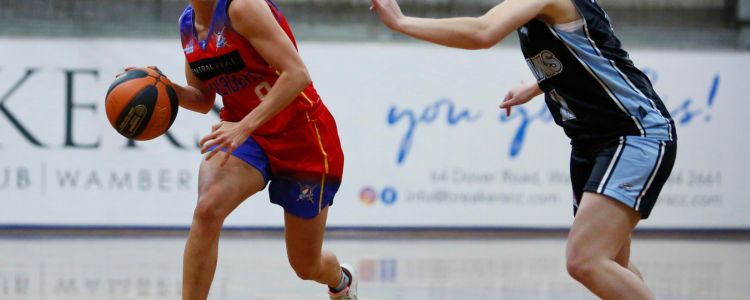
Prevention is always better than cure, and several strategies can significantly reduce your risk of sustaining or re-injuring your knee.
- Maintain adequate strength and flexibility: Regular strengthening exercises for the quadriceps, hamstrings, glutes, and calves provide crucial support for the knee joint. Don’t neglect flexibility work, particularly for the quadriceps, hamstrings, and calf muscles.
- Progress training loads gradually: The 10% rule (increasing training volume by no more than 10% per week) helps prevent overuse injuries. Sudden spikes in activity are a common cause of knee problems.
- Address biomechanical issues: Poor foot mechanics, hip weakness, or movement patterns can place excessive stress on the knee. A comprehensive physiotherapy assessment can identify these factors and provide corrective strategies.
- Use appropriate footwear: Sport-specific shoes with adequate support and cushioning, replaced regularly, help absorb impact forces that would otherwise stress the knee.
- Incorporate adequate recovery: Rest days, proper sleep, and nutrition allow tissues to repair and adapt to training demands.
- Warm up properly: Dynamic warm-ups that include movement patterns similar to your sport or activity prepare the knee for higher-intensity demands.
For athletes returning from knee injury, a structured return-to-sport program under physiotherapy supervision is essential. This typically involves meeting specific strength and function benchmarks before resuming full activity. Many athletes who return too quickly experience re-injury, potentially causing more severe damage.
Book Your Knee Assessment at Coast Sport
Don’t let knee pain hold you back. Our experienced team provides comprehensive assessments, evidence-based treatment, and personalised rehabilitation programs to get you back to the activities you love.
Early intervention leads to better outcomes, contact us at Coast Sport Erina or Tuggerah today to start your recovery.
Frequently asked questions
Can I keep training with a knee injury?
Whether you can continue training depends on the severity and type of your knee injury. For minor injuries, training modification rather than complete rest is often appropriate.
You might need to reduce intensity, avoid aggravating movements, or switch to low-impact activities like swimming or cycling. However, training through significant pain or instability risks worsening the injury and prolonging recovery time.
Your physiotherapist can assess whether your symptoms indicate you should rest completely or if modified training is safe. The general principle is that activity should not significantly increase pain during or after the session, and you shouldn’t experience increased swelling or stiffness the following day.
How long does a knee injury take to heal?
Healing timeframes vary considerably depending on which structure is injured and the severity. Minor sprains or strains may resolve within 1-3 weeks with appropriate management.
Moderate injuries often require 4-8 weeks of rehabilitation. More significant injuries have longer recovery periods: meniscus tears might need 6-12 weeks for conservative management (or post-surgical recovery), whilst ACL reconstruction typically requires 9-12 months before full return to sport.
Tendinopathies can be particularly stubborn, sometimes requiring 3-6 months of progressive loading. Fractures vary widely but generally need at least 6-8 weeks for initial bone healing.
Your physiotherapist can provide a more accurate timeline based on your specific injury and progress through rehabilitation.
Should I use ice or heat for knee pain?
The choice between ice and heat depends on whether your injury is acute or chronic. For acute injuries (within the first 48-72 hours), ice is generally most effective. Apply ice for 15-20 minutes every 2-3 hours to reduce pain, swelling, and inflammation.
Never apply ice directly to skin; use a towel or cloth barrier. For chronic conditions or muscle stiffness, heat may be more beneficial as it increases blood flow and relaxes tight muscles.
Heat is also helpful before exercise to warm tissues. Some people find contrast therapy (alternating ice and heat) beneficial for certain conditions. If you’re unsure which to use, ice is typically the safer choice as it’s less likely to worsen inflammation.
Is swelling normal after a knee injury and how do I reduce it?
Some degree of swelling is a normal part of the healing process following trauma to the knee. The body increases fluid and blood flow to the injured area to deliver healing cells and nutrients.
However, excessive swelling can impede healing and restrict movement. To reduce swelling, follow the RICE protocol: Rest from aggravating activities, apply Ice for 15-20 minutes several times daily, use Compression (such as a supportive bandage or compression sleeve), and Elevate the leg above heart level when resting.
Anti-inflammatory medications may also help if recommended by your doctor. Gentle movement and exercises as guided by your physiotherapist help pump excess fluid away.
Rapid swelling within 1-2 hours of injury, especially if accompanied by severe pain, may indicate a more serious injury requiring immediate assessment.
What is the difference between a sprain, strain and tear?
These terms describe injuries to different tissues.
A sprain is an injury to a ligament (the tissue connecting bone to bone), ranging from mild overstretching to complete rupture. Sprains are graded from 1 (mild) to 3 (complete tear).
A strain affects muscles or tendons (which connect muscle to bone), also ranging from mild overstretching to complete rupture. Strains commonly occur in the hamstrings, calf or quadriceps.
A tear refers to fibres that have ruptured within any soft tissue structure, and can be partial (some fibres torn) or complete (all fibres torn). Complete tears often require surgical repair, whilst partial tears may heal with conservative management.
Your physiotherapist can determine which structure is affected through clinical assessment and guide appropriate treatment based on the injury severity.
 Helping the Central Coast Feel Well, Move Well and Perform Well!