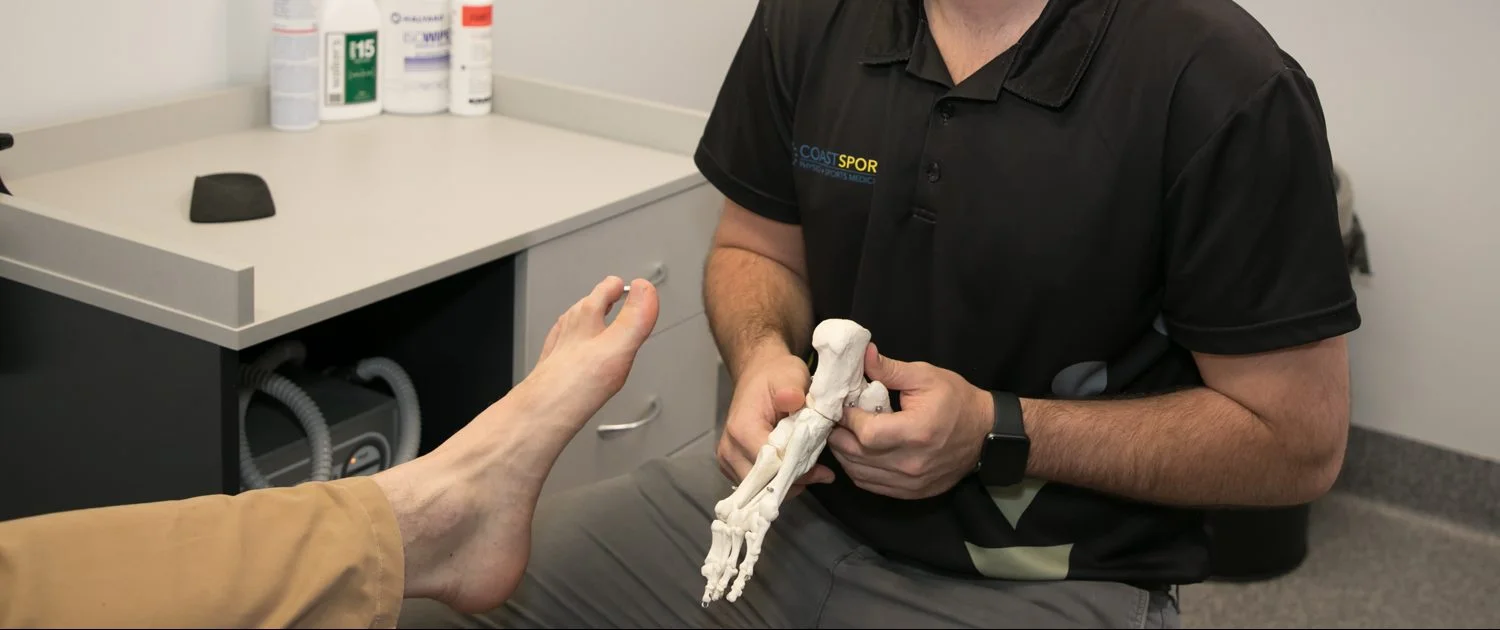
Tarsal tunnel syndrome is a nerve-related condition that can cause pain and other uncomfortable symptoms in the ankle and foot. It can make walking, running or spending long periods on your feet difficult, but the right treatment – including activity changes, supportive footwear, exercises, orthotics and addressing the underlying cause – can help reduce symptoms and improve the condition.


What is tarsal tunnel syndrome?
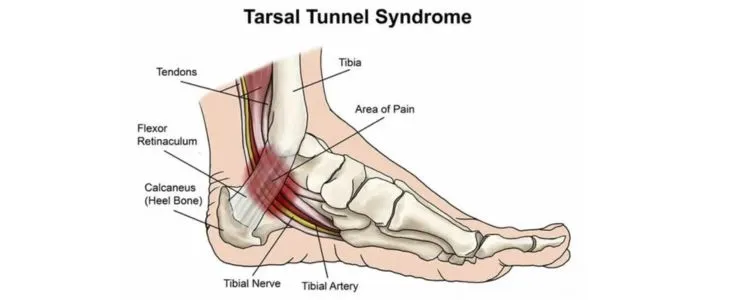
Tarsal tunnel syndrome occurs when the posterior tibial nerve is compressed or irritated as it travels through the tarsal tunnel on the inside of the ankle. Because this nerve supplies sensation and movement to parts of the foot, pressure on it can cause nerve pain, tingling, burning, numbness or, in some cases, weakness.
What does tarsal tunnel syndrome feel like?
Tarsal tunnel syndrome symptoms usually affect the inside of the ankle or the bottom of the foot. They may travel into the heel, arch or toes and often feel different from a simple muscle or joint ache because the pain can be burning, tingling, shooting or accompanied by numbness.
Common symptoms include:
- Pain radiating into the arch, heel or toes
- Burning foot pain
- Tingling or pins and needles
- Numbness or reduced feeling in the foot
- Pain that worsens with running, walking or prolonged standing
- Pain at night
- Weakness in the foot
Early signs can include intermittent tingling, burning or altered sensation.
What causes tarsal tunnel syndrome?

Tarsal tunnel syndrome can develop whenever the posterior tibial nerve is compressed, irritated or placed under increased tension. Sometimes there is one clear cause, such as an ankle injury or ganglion cyst. In other cases, foot mechanics, inflammation, repetitive loading or several factors may contribute to the pressure on the nerve.
Causes and contributing factors can include:
- Inflammation or swelling around the ankle
- Ganglion cysts or other space-occupying lesions
- Ankle sprains, fractures or dislocations
- Scar tissue after injury
- Flat feet or excessive pronation
- Varicose veins
- Repetitive loading or overuse
- Some inflammatory or systemic conditions
Flat feet can be relevant because the foot rolling inwards, or pronating, may increase tension around the tibial nerve. This can make symptoms more noticeable after long periods of standing, walking or running.
How is tarsal tunnel syndrome diagnosed?
Tarsal tunnel syndrome is usually diagnosed through your symptoms, medical history and a physical assessment of the foot and ankle. A podiatrist may check sensation and strength, assess your foot mechanics and use clinical tests to see whether pressure or tapping over the posterior tibial nerve reproduces your symptoms.
This helps determine whether your symptoms are consistent with posterior tibial nerve entrapment or another foot or nerve condition.
Further testing may sometimes be recommended. Nerve conduction studies or electromyography can assess nerve function, while an ultrasound, X-ray or MRI may help identify an injury, cyst or other structural cause.
The tarsal tunnel test your podiatrist uses
One common clinical test is Tinel’s sign. Your podiatrist gently taps over the posterior tibial nerve near the inside of the ankle. If this reproduces tingling, pins and needles or pain that travels into the foot, it can support a diagnosis of tarsal tunnel syndrome.
The test is used alongside your symptoms and the rest of the assessment.
What else can cause similar symptoms?
Nerve pain in the foot does not always mean tarsal tunnel syndrome. Plantar fasciitis, tendinopathy and other foot or ankle conditions can cause similar pain, while peripheral neuropathy or a nerve problem higher up the leg or spine can also cause burning, tingling or numbness.
Sciatica begins with irritation of a nerve root in the lower back and may travel down the leg into the foot. Peripheral neuropathy often affects both feet. The pattern of symptoms and a clinical assessment can help distinguish between them.
How is tarsal tunnel syndrome treated?
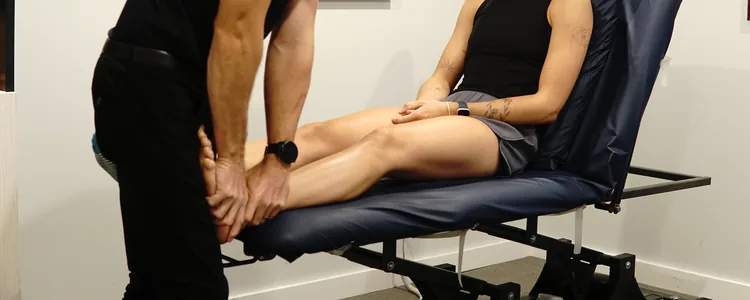
Tarsal tunnel syndrome treatment aims to reduce irritation of the posterior tibial nerve and address what is causing the pressure. Treatment usually starts with activity changes, symptom management, supportive footwear and rehabilitation. Orthotics may help when foot mechanics contribute, while persistent or severe cases may need further medical or surgical assessment.
Treatment options can include:
- Reducing activities that aggravate symptoms
- Ice for pain or swelling where appropriate
- Supportive footwear
- Foot and ankle exercises or stretches
- Nerve mobility exercises where appropriate
- Orthotics or other foot support
- Medication or injections when recommended by a medical practitioner
What you can do at home
Start by modifying activities that clearly flare your symptoms, particularly long periods of running, walking or standing. Supportive shoes and short periods of ice may also help.
Tarsal tunnel syndrome exercises can include stretching, strengthening or nerve mobility work, but the right exercises depend on what is causing your symptoms. If an exercise increases tingling, numbness or pain, stop and get advice before continuing.
What a podiatrist does
A podiatrist can assess your foot and ankle mechanics, symptom pattern and the activities that aggravate your pain. At Coast Sport, this may include a biomechanical assessment to identify factors such as pronation or loading patterns that could be increasing stress around the tarsal tunnel.
Your podiatrist can then build a treatment plan around the likely cause.
When orthotics help
Orthotics may help when foot mechanics are contributing to nerve irritation. If excessive pronation is increasing stress around the tarsal tunnel, an orthotic may support the foot and reduce that load.
They are not needed in every case. Your podiatrist can assess whether a prefabricated or custom option is suitable.
What shoes help tarsal tunnel syndrome?
Shoes for tarsal tunnel syndrome should generally fit well, feel supportive and avoid adding pressure around the painful area. If your symptoms are linked with overpronation, a stable shoe with suitable arch support may help reduce strain on the tibial nerve when you walk, stand or exercise.
Avoid footwear that is very tight around the ankle or puts direct pressure over the tarsal tunnel. The best shoe depends on your foot shape, biomechanics, activities and the cause of your symptoms, so footwear advice may be useful if pain keeps returning.
How long does tarsal tunnel syndrome take to settle?
Recovery time varies because tarsal tunnel syndrome can have different causes and levels of nerve irritation. Mild symptoms may improve once the aggravating factor is addressed, while long-standing compression or an underlying structural problem can take considerably longer and may require more involved treatment.
Look for a gradual reduction in burning, tingling, pain or numbness and an improved ability to walk, stand or exercise. Persistent numbness or weakness should be reassessed, especially if symptoms are progressing despite treatment.
When should you see a podiatrist?
See a podiatrist if pain, burning, tingling or numbness in your foot keeps returning, is becoming more frequent or is limiting walking, running or everyday activity. It is particularly important to seek assessment if you develop persistent loss of sensation or weakness, as prolonged nerve compression can sometimes cause lasting nerve problems.
An assessment can help work out whether symptoms are coming from the tarsal tunnel or another condition and whether podiatry treatment, further testing or referral is appropriate.
Book a podiatry assessment on the Central Coast
If you are experiencing nerve pain in your foot, Coast Sport’s podiatrists can assess your symptoms, foot mechanics and possible causes of irritation around the tarsal tunnel. With clinics in Erina and Tuggerah, you can access podiatry care on the Central Coast and get a treatment plan tailored to you.
Frequently asked questions
How do I know if I have tarsal tunnel syndrome?
Typical signs include burning, tingling, numbness or pain around the inside of the ankle and bottom of the foot, sometimes extending into the heel, arch or toes. A podiatrist can assess the symptom pattern and use clinical tests to determine whether the posterior tibial nerve may be involved.
How do you fix tarsal tunnel syndrome?
Treatment depends on the cause. It may include activity modification, supportive footwear, rehabilitation, orthotics and other conservative treatments. If symptoms persist or a structural problem is compressing the nerve, further medical assessment and occasionally surgery may be required.
What can be mistaken for neuropathy in the feet?
Local nerve entrapment, sciatica and some foot or ankle conditions can produce symptoms that feel like neuropathy. The distribution of pain or numbness, whether one or both feet are affected and findings from a clinical assessment can help identify the source.
What are the symptoms of a pinched nerve in the foot?
A pinched nerve in the foot can cause burning, tingling, pins and needles, numbness or sharp, shooting pain. Symptoms may stay in one area or travel into the heel, arch or toes, depending on which nerve is affected and where the irritation is occurring.
What are the first signs of nerve damage in the foot?
Early signs can include tingling, pins and needles, burning, numbness or reduced sensation in part of the foot. Symptoms may come and go at first, but persistent or worsening numbness, weakness or changes in sensation should be assessed by a health professional.



 Helping the Central Coast Feel Well, Move Well and Perform Well!