01 Oct

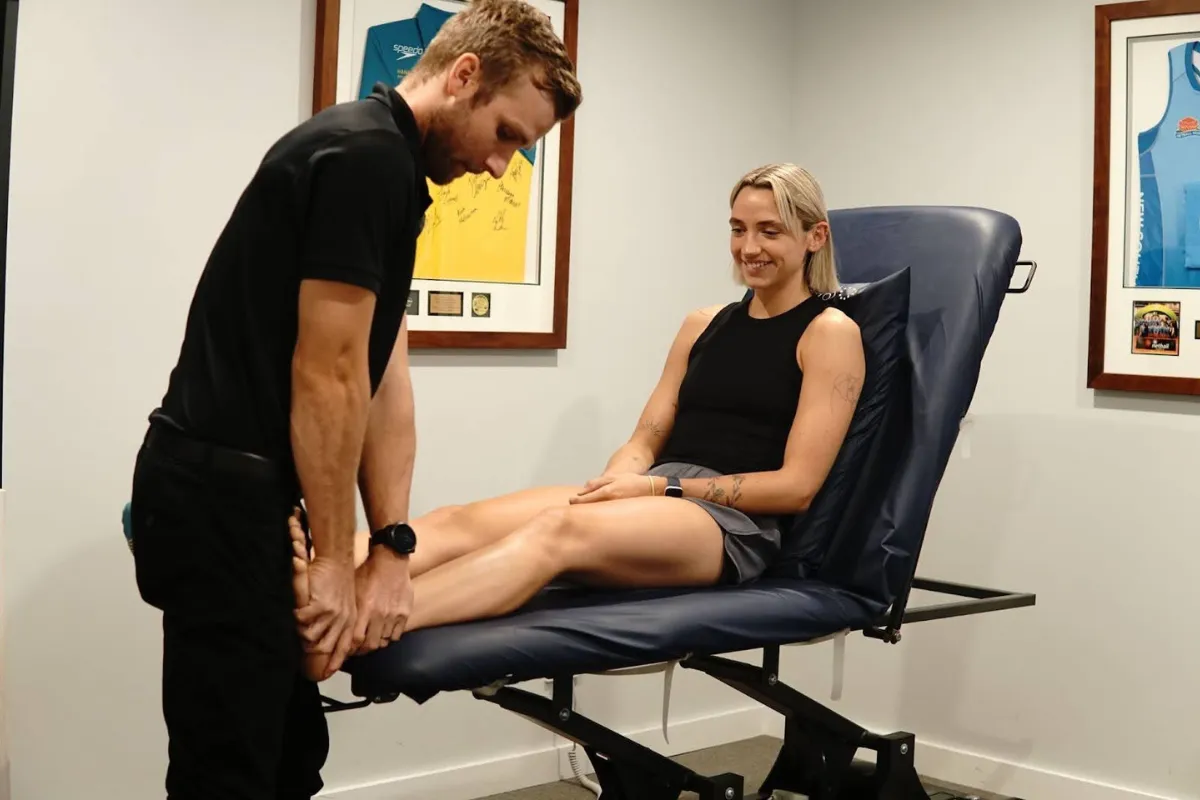
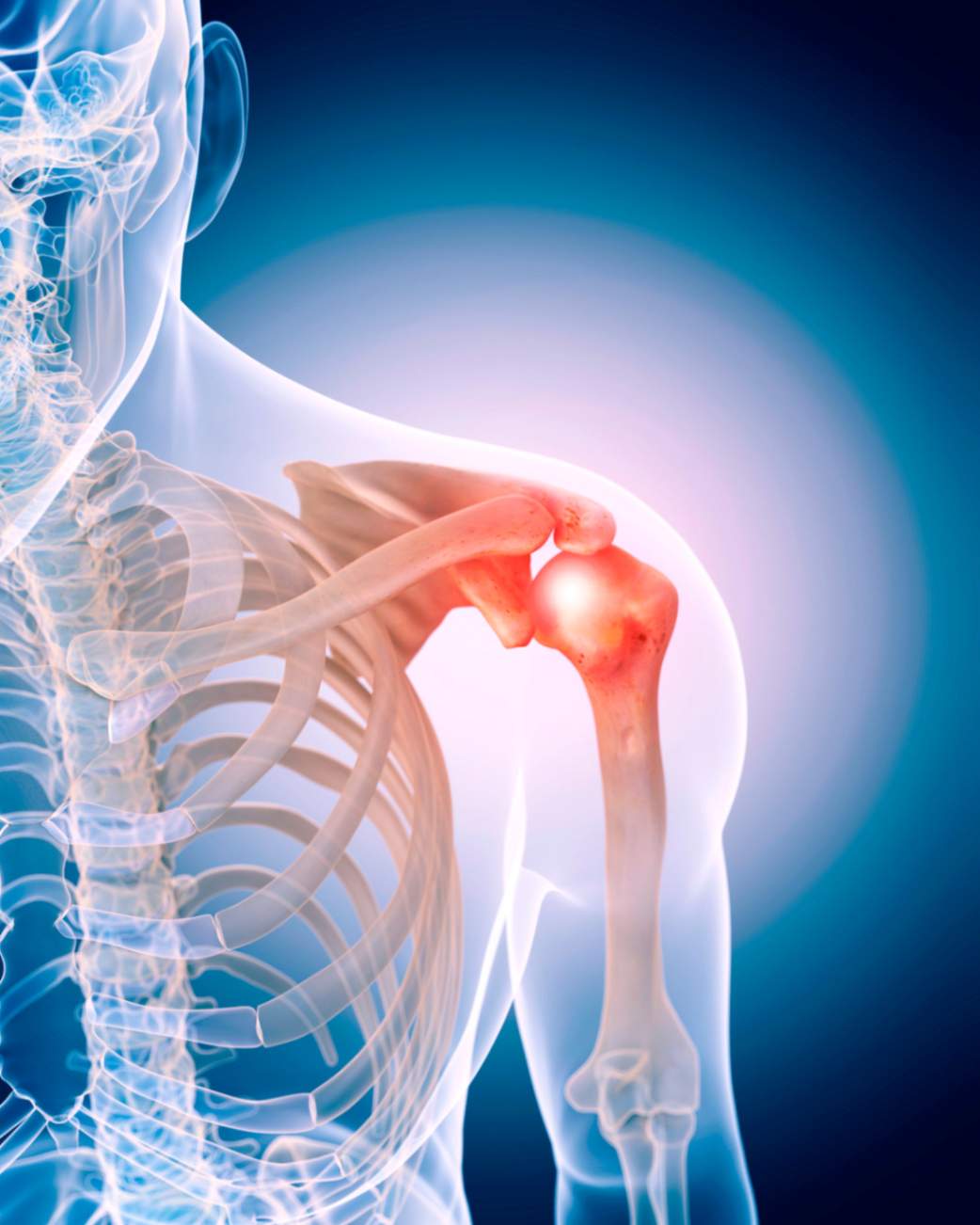
Frozen Shoulder

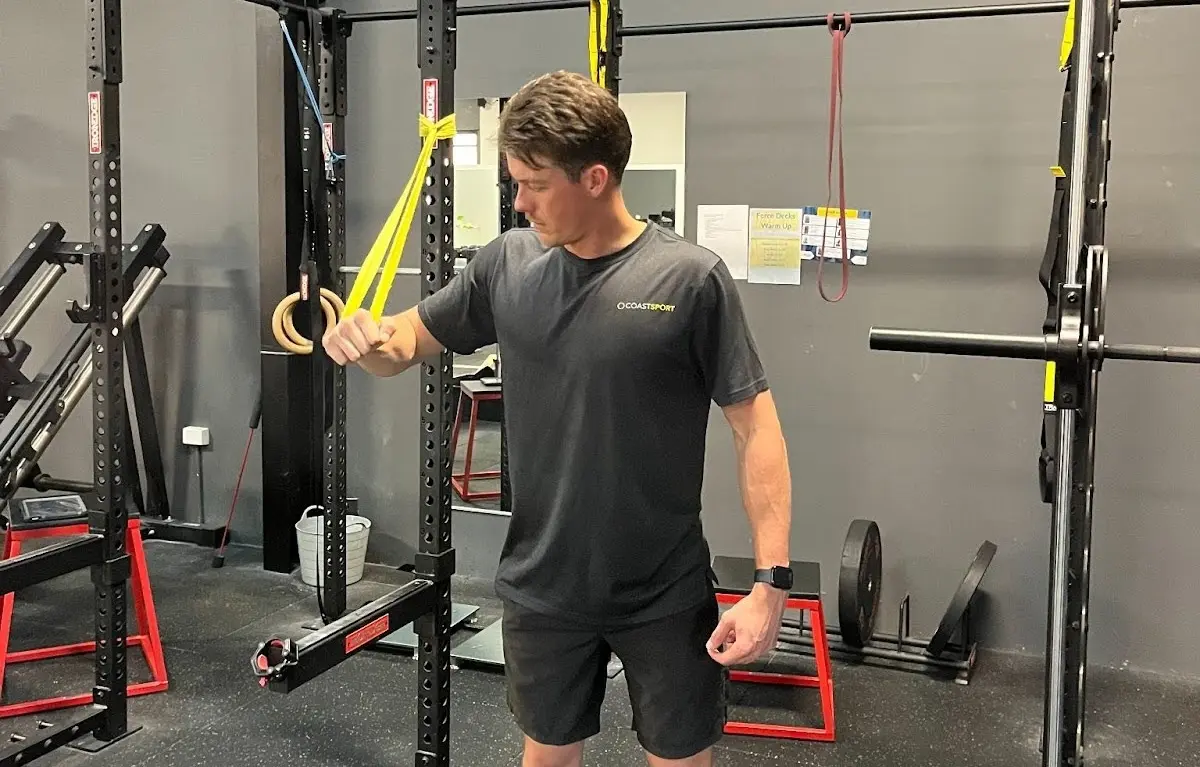
Frozen shoulder (adhesive capsulitis) is a unique and debilitating shoulder pathology.  Characterised by severe stiffness, pain, and loss of range of motion, patients often report limitations that can persist for up to 3-5 years.  It is estimated that up to 5% of the population may experience frozen shoulder throughout their lifetime, with the incidence increasing […]

Read More
30 May

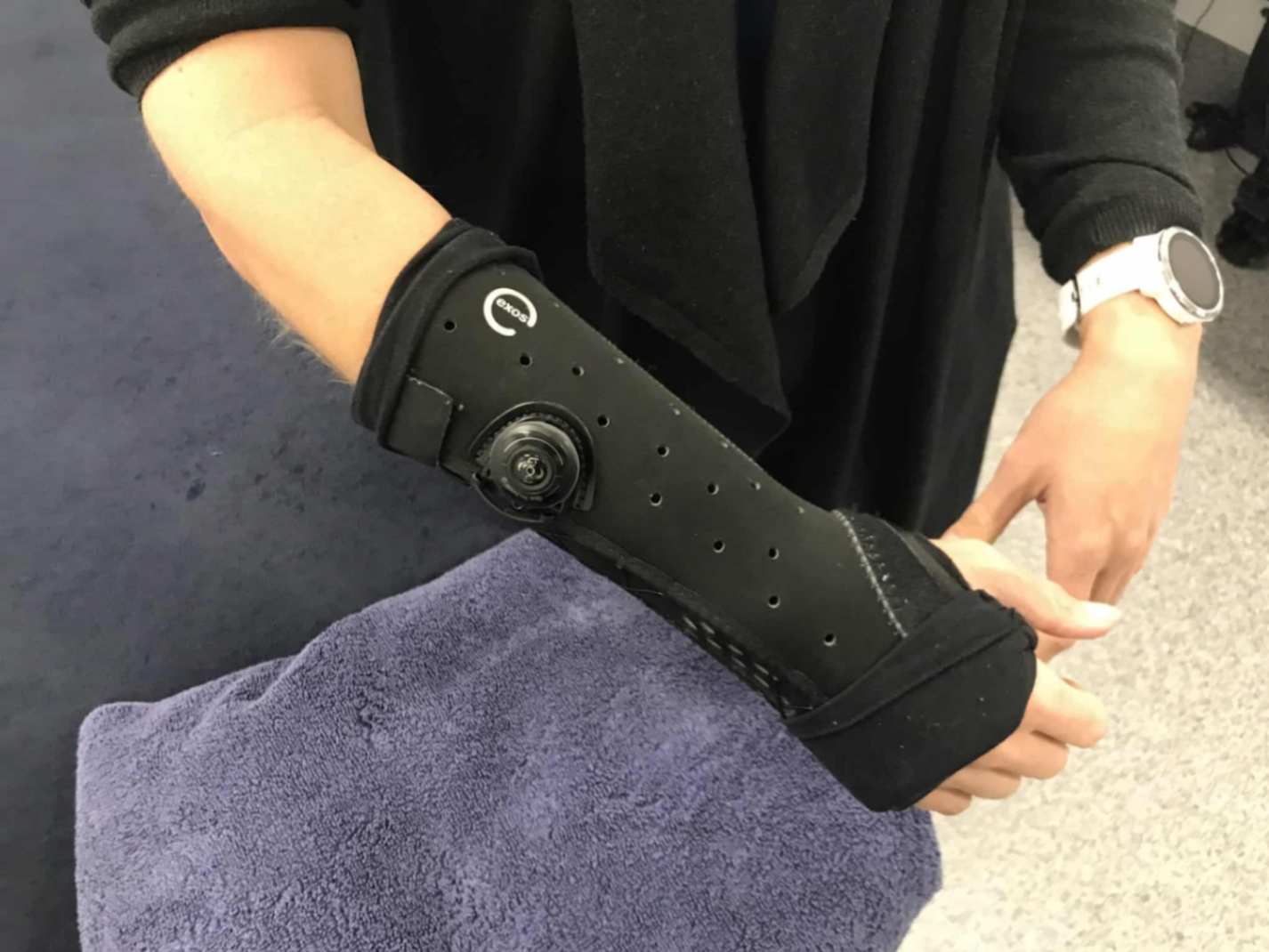
Exos splints

icon Exos Splints are an adjustable brace that can assist in the management of fractures and/or other injuries that require stabilisation. There are splints available for upper limb, lower limb and the cervical spine. The braces are comfortable and come with two liners that can be interchanged and washed when required. So, why Exos over […]

Read More
30 May

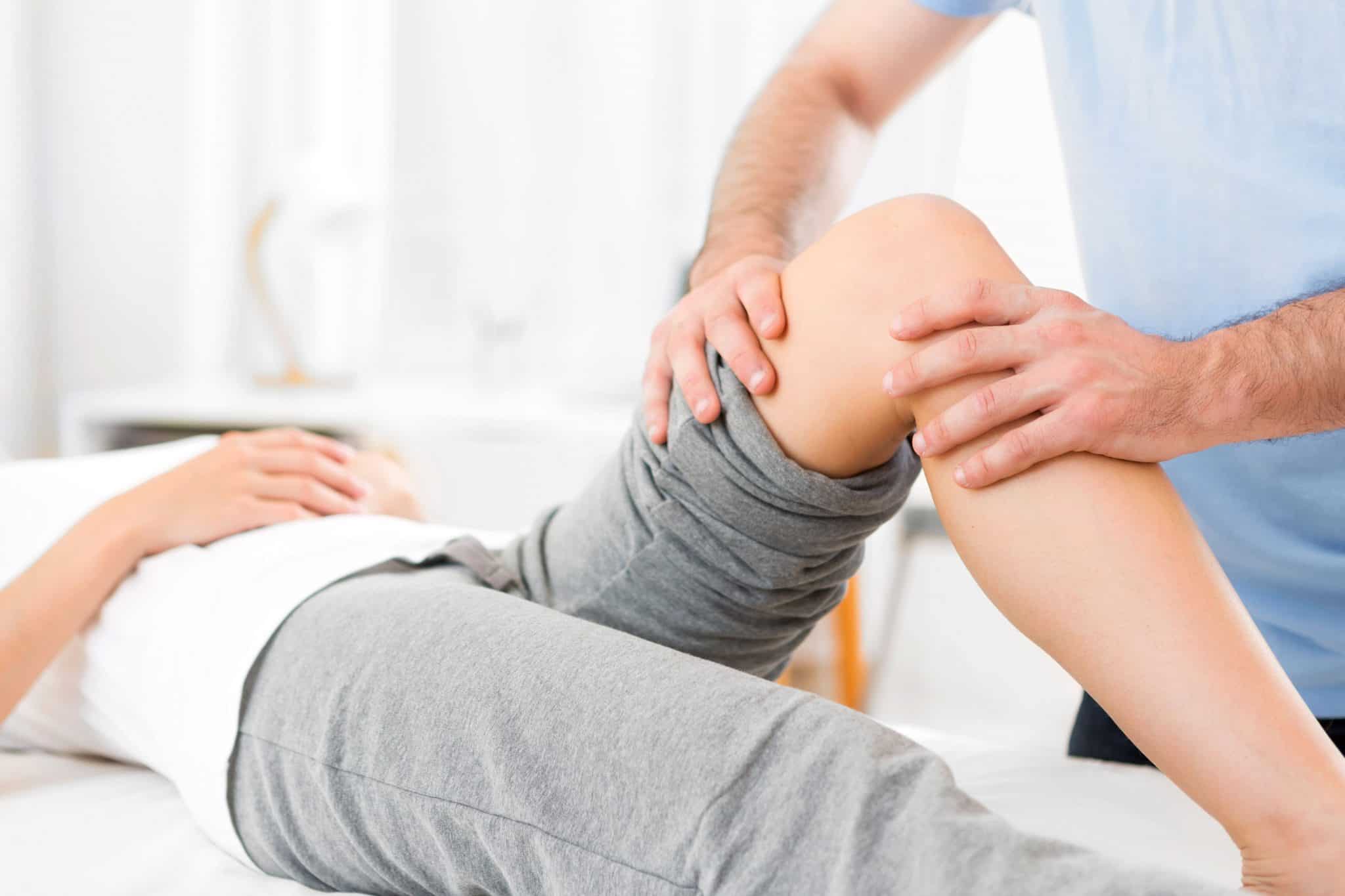
Knee osteoarthritis

icon What is it? Osteoarthritis (OA) is a condition which affects our joints. The cartilage that covers the ends of our bones thins and begins to wear away. Eventually, it becomes inadequate in its ability to protect the bone beneath. The bone develops spurs and cysts and the menisci (shock absorbers in the knee) can […]

Read More
29 Apr

Hamstring strains

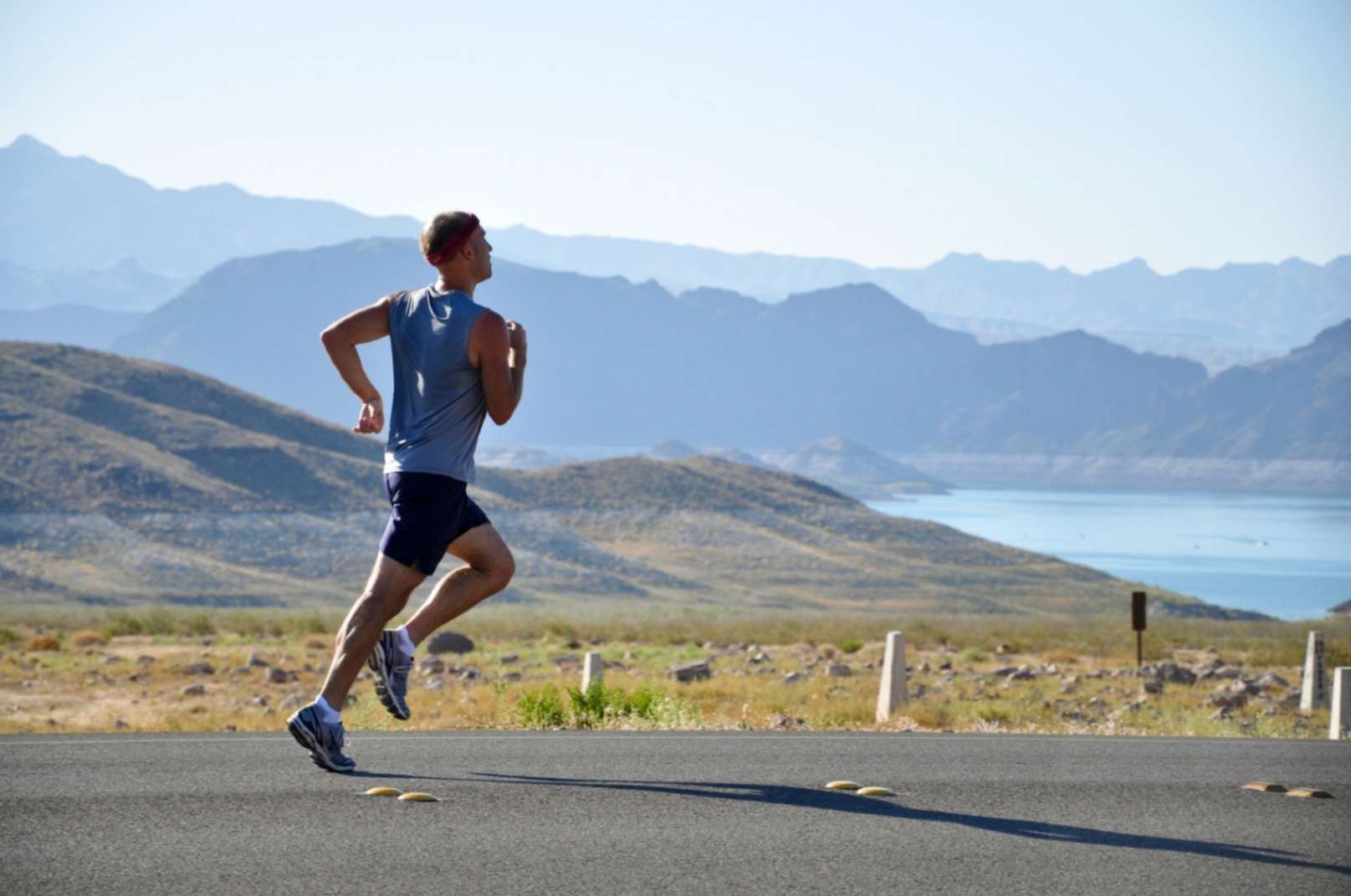
icon Anatomy The hamstrings are made up of 3 muscles: biceps femoris (long and short head) laterally, and the semitendinosus and semimembranosus medially. Role of the hamstring The hamstrings act in flexing the knee and extending the hip. The hamstrings are very active during running, particularly in the late swing phase, and become more involved […]

Read More
29 Jan

Headaches and Physiotherapy

icon Almost everyone has experienced a headache before, and why some people have never experienced one before is not known. There are hundreds of different types of headaches, of these the most common three are: Tension headaches Cervicogenic headaches Migraines Of these, tension headache are the most common form of headaches. Current research indicates that […]

Read More
18 Dec

How important is calf strength?

Our calf muscles play a crucial role in various movements such as running, walking, and jumping. These muscles are responsible for pulling the heel upwards to enable forward movement. Therefore, it’s important to understand the significance of calf strength and how it can positively impact your overall performance and well-being. In this guide, we’ll explore […]

Read More
17 Dec

Aquatic Physiotherapy

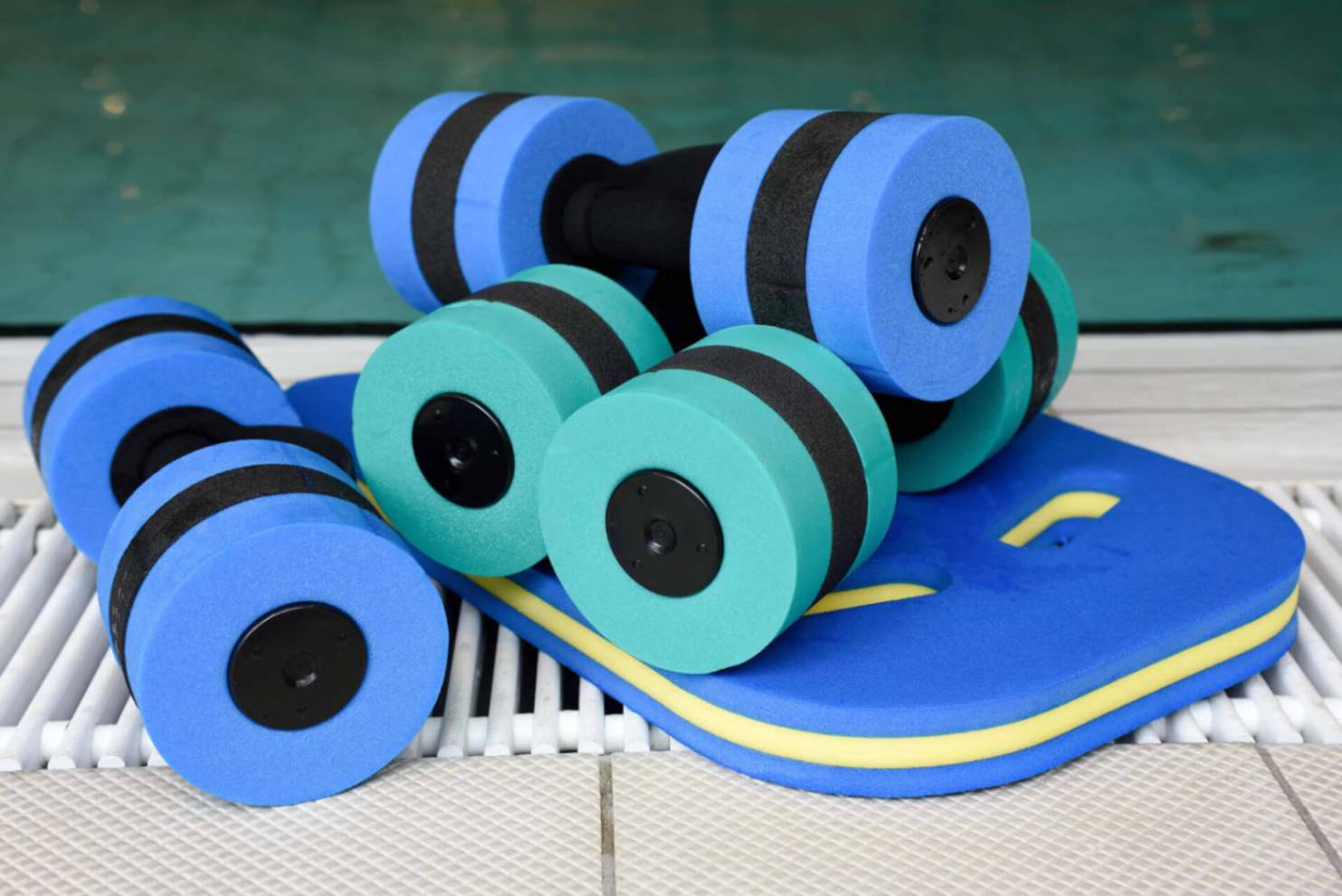
icon What is Hydrotherapy? Hydrotherapy or aquatic physiotherapy is a great way to progress your rehab within a safe and comfortable environment. It is often a stepping stone to land-based activity and can be used in isolation or in conjunction with your physiotherapy rehab program. Exercising in a heated pool can have a myriad of […]

Read More
09 May

Understanding Tight Calves: Causes, Symptoms, and Solutions

So, you have tight calves… What now? Although having tight calves may not seem like the biggest problem, they can lead to more serious injuries over time, including shin splints, stress fractures in the feet and ankle issues. The calf muscle is made up of 2 muscles. The gastrocnemius Is the large calf muscle that […]

Read More
06 Dec

Swimmer’s shoulder

Swimmer’s shoulder: The steps to getting back on track icon So, your shoulder hurts when swimming? Swimmer’s shoulder is common, and occurs in up to 90% of swimmers during their career. Check out the video below, where Coast Sport and Australian Swim Team physiotherapist Brett takes you through the steps to take in order to […]

Read More
28 Nov

Why choose physio?

Physiotherapists are highly trained and experienced practitioners helping with all sorts of challenges from treating crook backs and sports injuries to arthritic pain, incontinence and even headaches. That’s why GPs recommend their patients see a physio more than any other health profession. Physio – Your GP’s most recommended health professional. How physio can help you. […]

Read More
Book an Appointment