
When we think about exercise, it’s often linked to physical health, building strength, improving fitness, or maintaining weight. But one of the most powerful (and often overlooked) benefits of movement is its impact on our mental health. Exercise isn’t just about changing your body, it can gently support how you feel, think, and cope each day.


How does exercise improve mental health?
Have you ever noticed feeling a little lighter after a walk or workout? That’s not just a coincidence. When we move our bodies, we release endorphins and serotonin, chemicals that help improve mood and create a sense of calm and wellbeing.
Even short periods of movement can make a difference. It doesn’t have to be intense or long just enough to shift your state, even slightly.
The impact of exercise on stress and anxiety
One of the mental health benefits of exercise is that it is a powerful way to manage stress. It helps lower cortisol (the body’s stress hormone) while also giving your mind a break from overthinking.
For many people, movement becomes a way to feel more grounded. It brings your attention out of your thoughts and back into your body, similar to mindfulness.
If anxiety often feels overwhelming or constant, regular movement can help take the edge off, making those feelings feel more manageable over time.
Research shows that regular physical activity can help improve mood, increase motivation, and reduce feelings of hopelessness. Even gentle movement, like a short walk or stretching, can be enough to create a small shift in mental state and destress the mind.

The impact of exercise on sleep and energy levels
Sleep and mental health are closely connected. When sleep is disrupted, everything can feel harder emotionally and mentally.
Exercise can help regulate sleep patterns, making it easier to fall asleep and improving overall sleep quality. In turn, better sleep supports your ability to cope, think clearly, and manage emotions.
It can also increase energy levels. While it might feel like exercise would make you more tired, it often has the opposite effect, helping you feel more energised throughout the day.
The impact of exercise on confidence and self-worth
Exercise can also change the way you see yourself not through appearance, but through action.
Each time you show up, move your body, or follow through on a small goal, you’re building trust with yourself. Over time, this can strengthen confidence and self-esteem.
It’s not about doing it perfectly, it’s about doing what you can, when you can.
Exercise is also a chance to connect
Movement can also create opportunities for connection. This might be walking with a friend, joining a class, or simply being around others.
Even being outdoors, getting fresh air and sunlight can have a noticeable impact on your mood.
You don’t have to do it alone.

Exercise ideas that can help improve mental health
Exercise doesn’t need to be structured, intense, or time-consuming to support your mental health.
It might look like:
- A 10-minute walk
- Stretching at home
- Dancing in your kitchen
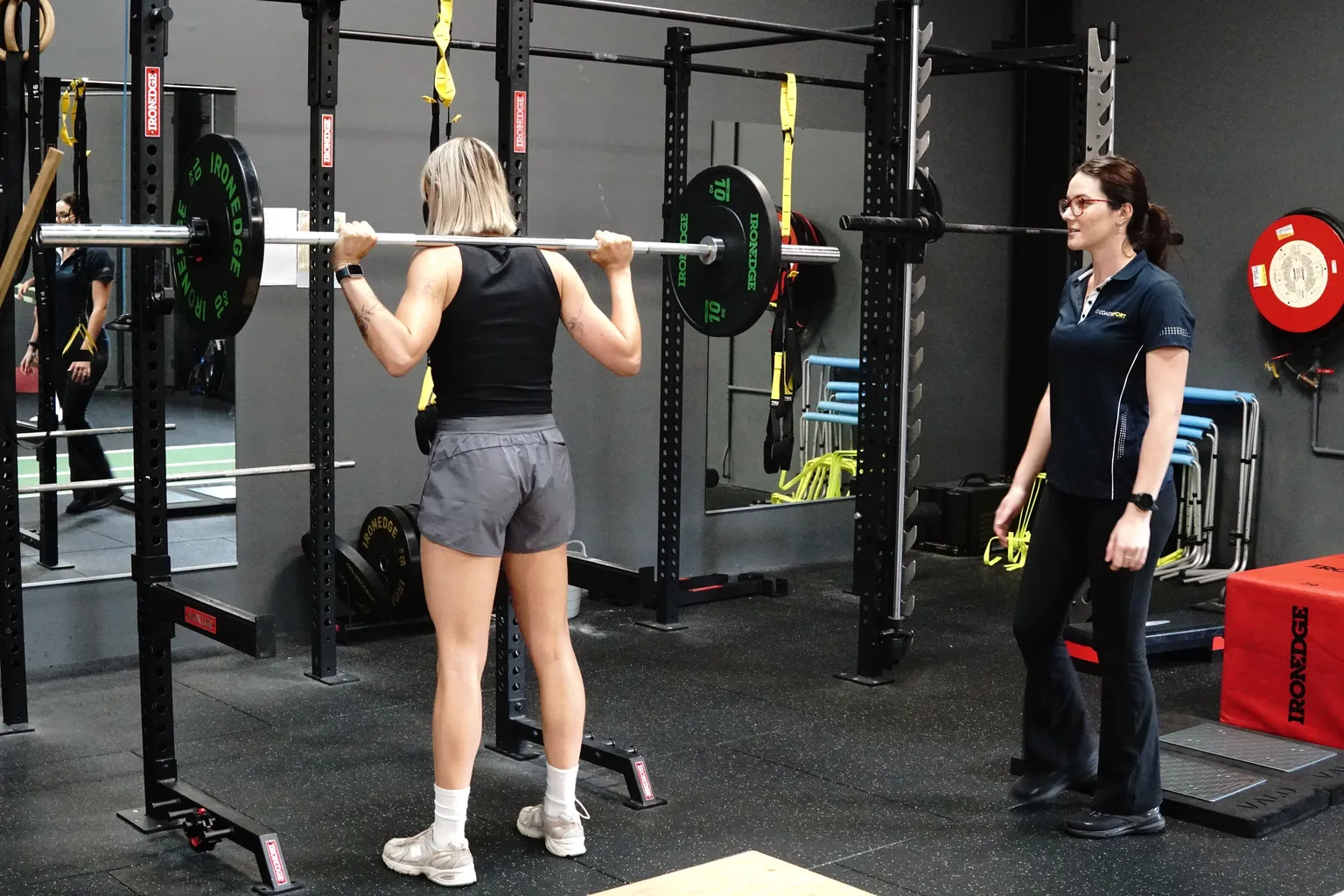
- A gym or group class
What matters most is finding something that feels doable and sustainable.
Final Thoughts
Exercise is a simple but powerful way to support your mental wellbeing. It can help you feel calmer, more energised, and more connected to yourself and the world around you.
And if it feels hard to start, that’s okay too. Start small. Be gentle with yourself.
Because sometimes, even the smallest step just moving your body for a few minutes can be enough to shift your day in a more supportive direction. If you would like support getting started, our exercise physiologists can help you build a plan that fits your life.
By Claudio Landete
Exercise Physiologist


 Helping the Central Coast Feel Well, Move Well and Perform Well!