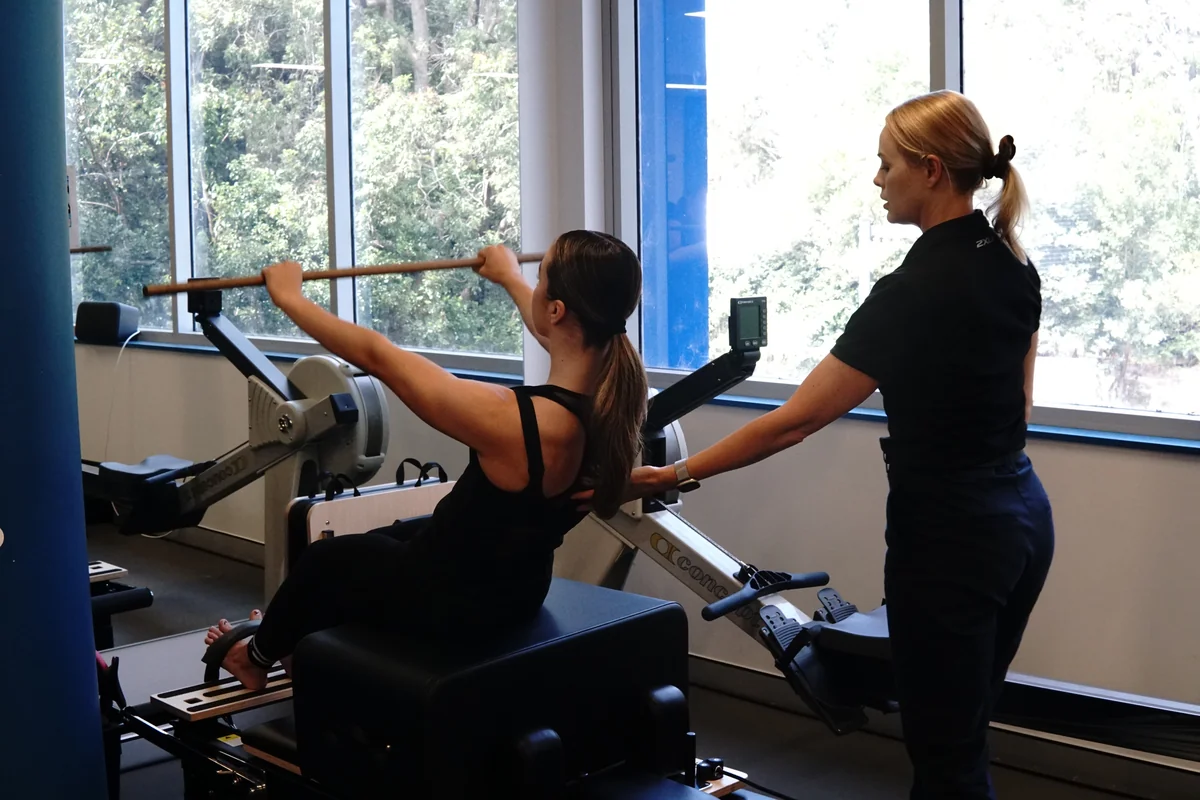
Living with chronic pain can make exercise feel intimidating.
Many people worry that movement might make their pain worse, cause damage, or trigger a flare-up. But research consistently shows that staying active is one of the most effective strategies for improving quality of life with chronic pain.
Importantly, exercise is not about “pushing through pain” or ignoring symptoms. It’s about helping the body and nervous system become more adaptable, resilient, and confident again.


Why Exercise Helps Chronic Pain
Chronic pain management is complex. Pain is influenced not only by tissues and joints, but also by the nervous system, stress, sleep, emotions, physical conditioning, and past experiences.
Regular movement can positively influence many of these factors.
1. Exercise Can Calm an Overprotective Nervous System
Have you ever noticed how tense you feel when you are having a flare up or in pain? This is a sign of your body trying to protect you. This can make the nervous system extra sensitive over time and can be why normal activities or movement can feel more painful than it should.
Gentle, graded exercise helps retrain the nervous system by showing the body that movement can be safe again.
Over time, this may help reduce pain sensitivity and improve confidence in movement.
2. Exercise Improves Blood Flow and Nerve Health
Nerves love circulation. This is how they receive oxygen and nutrients. Have you ever had pins and needles when sitting on your leg for a while? Lack of circulation to the nerves! They get grumpy!
When we become less active due to pain, circulation can reduce, muscles become tighter, and nerves may become more sensitive or irritated. Gentle movement and exercise help improve circulation throughout the body, including to muscles and nerves.
Movement also acts like a “pump” for the body. Walking, strength exercises, and mobility work help blood and fluid move more efficiently through tissues, which can reduce feelings of heaviness, stiffness, and discomfort.
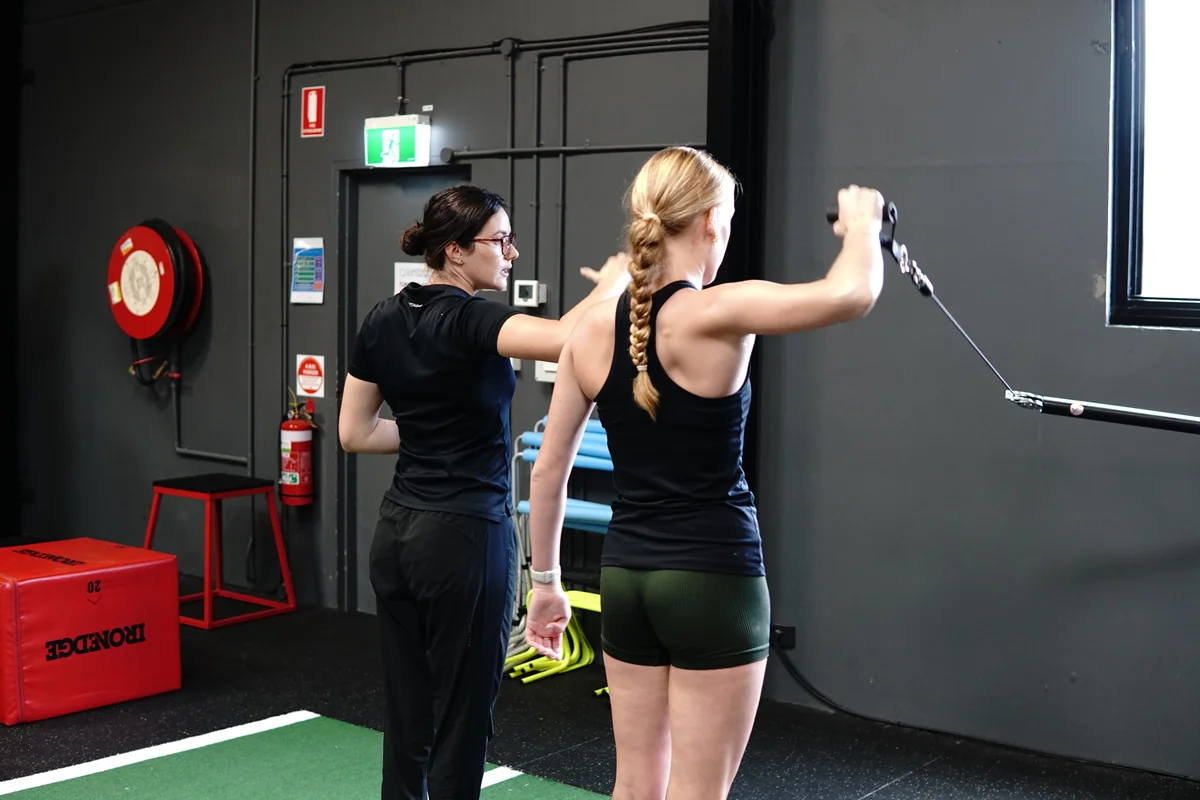
3. Movement Builds Strength and Capacity
When pain persists, it’s common to reduce activity levels. Unfortunately, this can lead to:
- Muscle weakness
- Reduced fitness
- Stiffness
- Fatigue
- Lower tolerance for everyday activities
Exercise helps rebuild physical capacity so daily tasks feel easier and less exhausting.
The goal is not perfection – it’s improving what your body can comfortably tolerate over time.
4. We have our own natural medicine cabinet for pain – Exercise!
Did you know that when we exercise it can stimulate the release of natural chemicals in the body that are pain relievers and mood enhancers!
These include:
- Endorphins
- Endocannabinoids
- Serotonin
- Dopamine
Endocannabinoids are particularly interesting in chronic pain.
They are naturally produced chemicals in the body that work on the same receptors affected by cannabis – but your body makes them itself.
During exercise, the body can release more endocannabinoids into the bloodstream. These chemicals can help:
- Reduce pain sensitivity
- Calm the nervous system
- Improve mood
- Reduce stress and anxiety
- Create a sense of wellbeing or relaxation
This is one reason some people experience the “runner’s high” after exercise.
Importantly, you do not need intense exercise to get these effects. Research suggests moderate, enjoyable movement such as walking, cycling, swimming, or strength training may help stimulate these natural pain-relieving systems.
5. Exercise Improves Mood and Mental Health
Chronic pain and mental health are closely connected.
Persistent pain can increase stress, anxiety, frustration, and low mood. Exercise has been shown to:
- Improve mood
- Reduce stress
- Improve confidence
- Increase energy levels
- Support emotional wellbeing
Even small amounts of regular movement can have meaningful benefits. For more on this, see our guide to how physical activity boosts mood and reduces stress.
6. Better Sleep = Better Pain Management
Poor sleep and chronic pain often create a frustrating cycle:
- Pain disrupts sleep
- Poor sleep increases pain sensitivity
Regular physical activity can improve sleep quality, which in turn may help the body cope better with pain.
7. Exercise Helps You Return to Meaningful Activities
One of the biggest impacts of chronic pain is loss of participation in important parts of life:
- Work
- Sport
- Social activities
- Parenting
- Hobbies
Exercise rehabilitation focuses on helping people gradually return to the activities that matter most to them.
Success is not just measured by pain levels, but by improved function, confidence, and quality of life.
What Type of Exercise is Best For Chronic Pain Management?
There is no single “perfect” exercise for chronic pain management.
The best exercise is usually:
- Enjoyable
- Sustainable
- Matched to your current capacity
- Gradually progressed over time
This may include:
- Walking
- Strength training
- Pilates
- Swimming
- Cycling
- Yoga
- Mobility exercises
The key is starting at an appropriate level and progressing gradually.
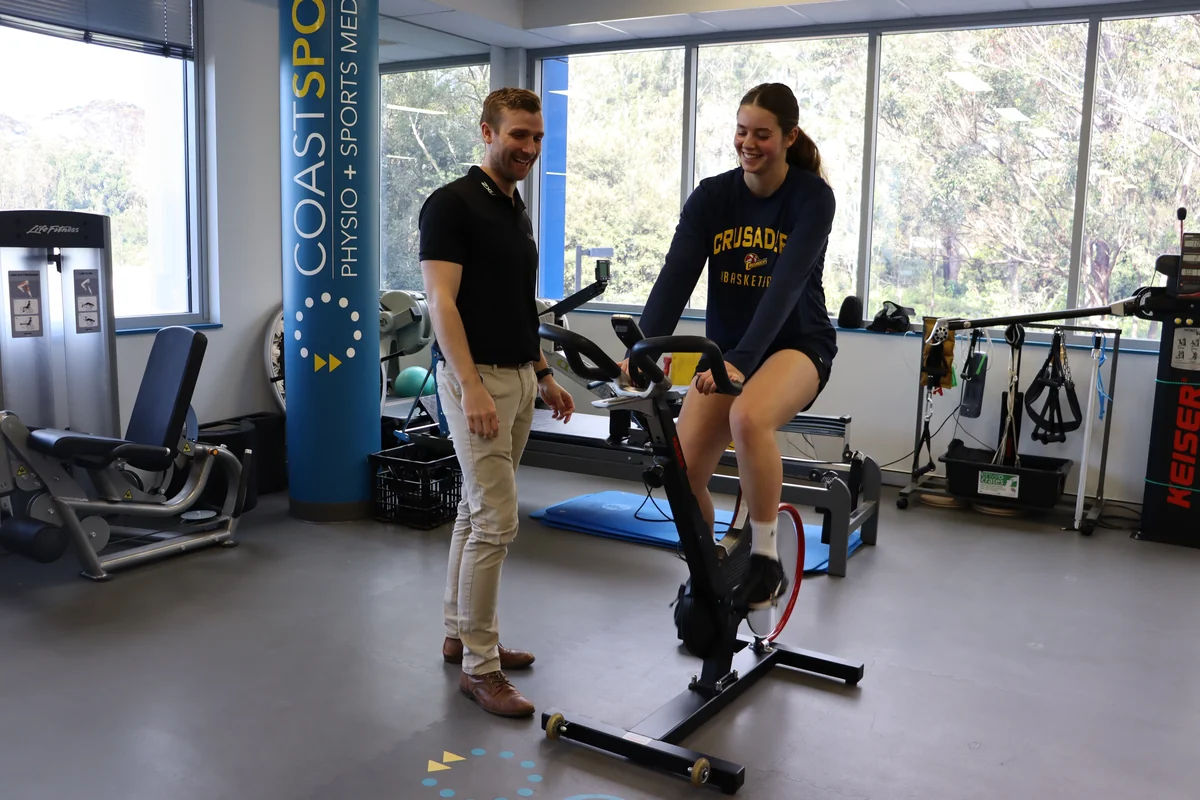
A Flare-Up Does Not Always Mean Harm
Many people with chronic pain experience temporary flare-ups when increasing activity. This does not always mean damage has occurred.
Sometimes the nervous system simply needs time to adapt to new loads and movements.
Learning pacing strategies and graded progression can help build tolerance without overwhelming the system.
Final Thoughts
Exercise is not about ignoring pain or forcing yourself through suffering. We do not like the saying no pain no gain.
It is about helping the body become stronger, calmer, and more adaptable over time.
For many people with chronic pain, movement becomes an important tool for improving function, independence, confidence, and overall wellbeing.
Starting small and staying consistent is often far more effective than doing too much too soon. It can be really helpful to work with an Exercise Physiologist to guide and support this process. They can help take the thought out of exercise by designing an individual exercise physiology plan for you and when things get tough they can modify things for you to keep you on your journey.

 Helping the Central Coast Feel Well, Move Well and Perform Well!