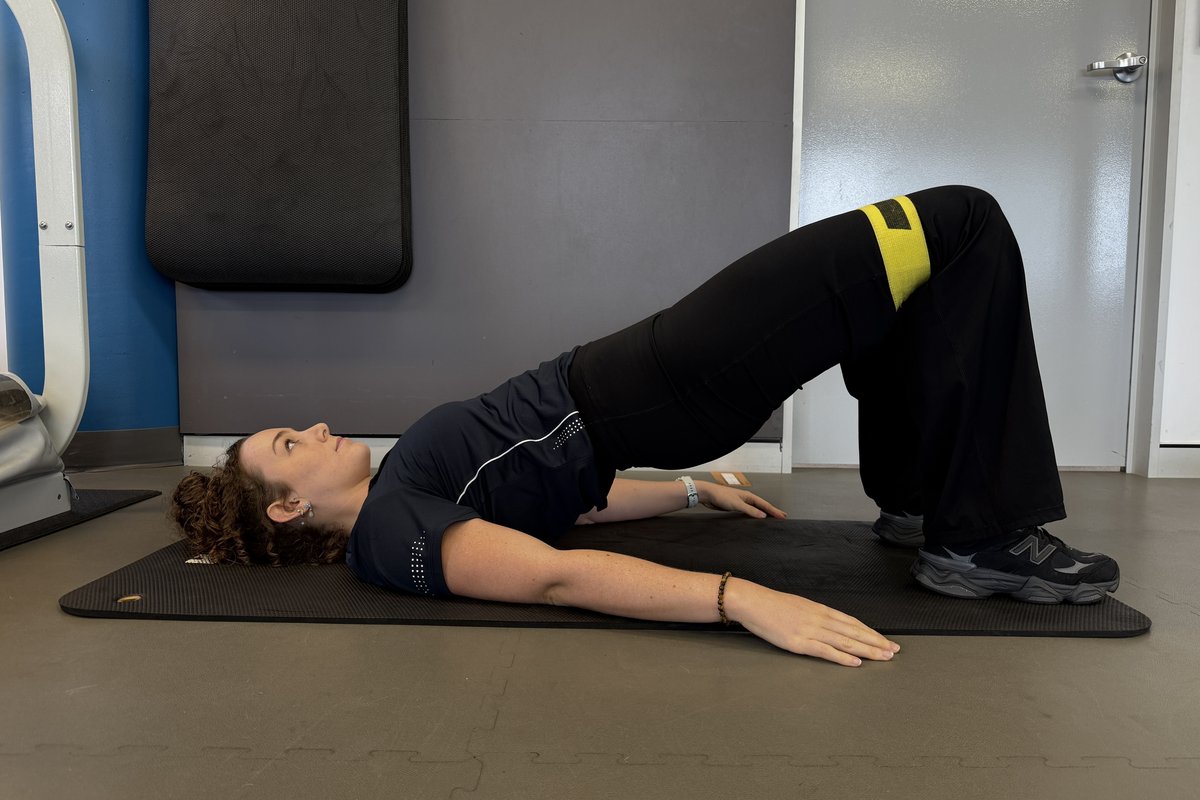
Managing sciatica can be deeply frustrating. Just as the pain subsides and daily activities become manageable, a minor movement, like bending down or twisting slightly, can trigger another flare-up.
If you have been searching for how to ease sciatic nerve pain that keeps returning, the first step is understanding why it comes back at all. This cycle of relief and re-injury leaves many wondering how to break it permanently, and understanding the mechanics of the condition is the key to long-term recovery.


What Is Sciatica?
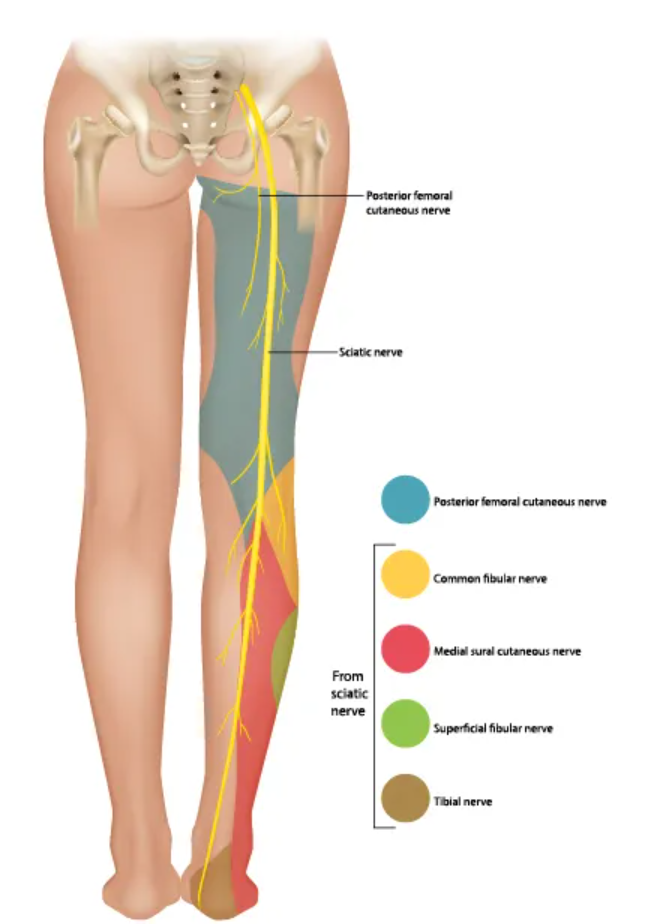
To understand why sciatica recurs, it helps to look at the anatomy involved. Sciatica is a symptom rather than a standalone medical diagnosis. It refers to the pain, discomfort, or altered sensation caused by irritation or compression of the sciatic nerve. If you are not yet sure your pain is sciatica, our guide on whether you have sciatica or something else can help you tell the difference.
The sciatic nerve is the longest and thickest nerve in the human body. It originates in the lower back, travels through the hips and buttocks, and branches down the back of each leg. When this nerve becomes irritated anywhere along its pathway, it can result in symptoms such as:
- A sharp, burning, or electric shock-like sensation.
- Numbness or a “pins and needles” feeling in the thigh, calf, or foot.
- A dull, constant ache travelling down one side of the lower body.
Why Does It Keep Returning?
Sciatica often returns because management frequently focuses on reducing immediate pain rather than addressing the underlying movement mechanics.
Letting acute inflammation settle is a vital step in recovery. However, if baseline factors like movement patterns, load tolerance, or muscle weaknesses remain unchanged, the nerve stays vulnerable. Once you return to regular activities and place old strains back on the spine, the nerve can easily become re-irritated.
Lifestyle Modifications for Daily Relief
Making small, intentional adjustments to your daily habits can significantly reduce the cumulative pressure placed on your lower back and sciatic nerve throughout the day.
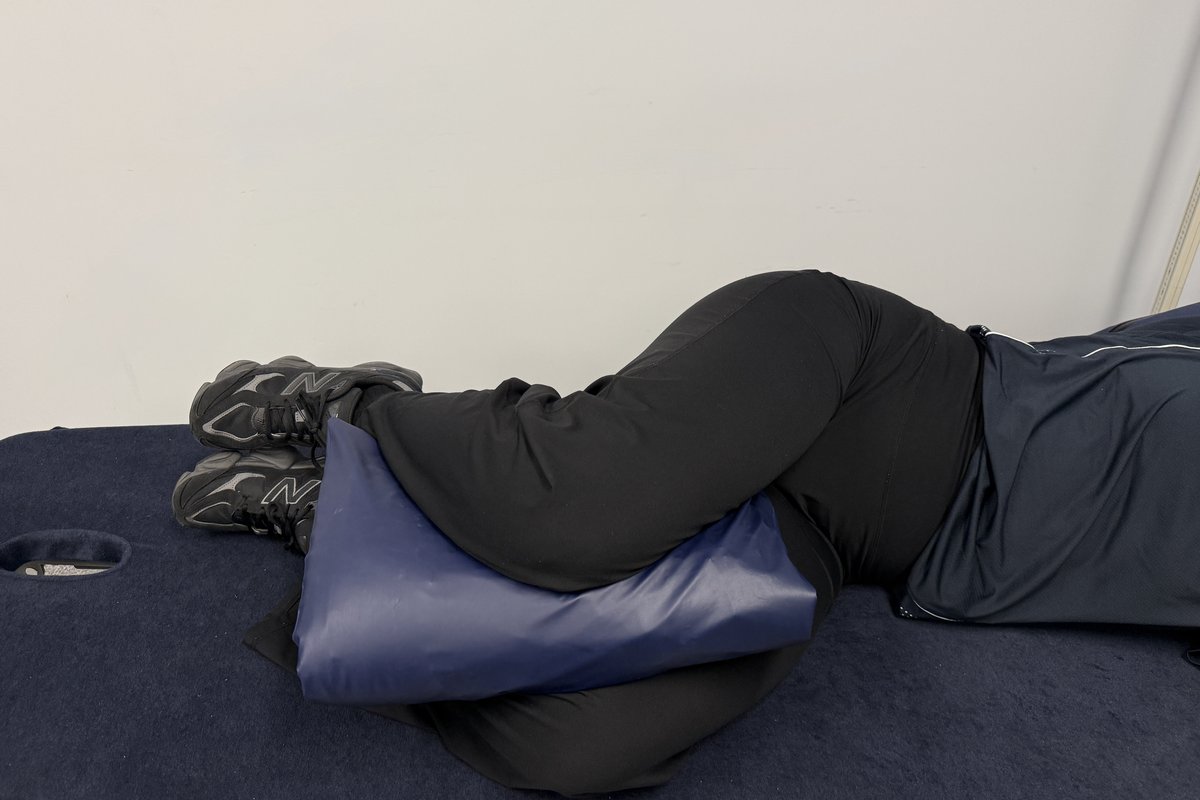
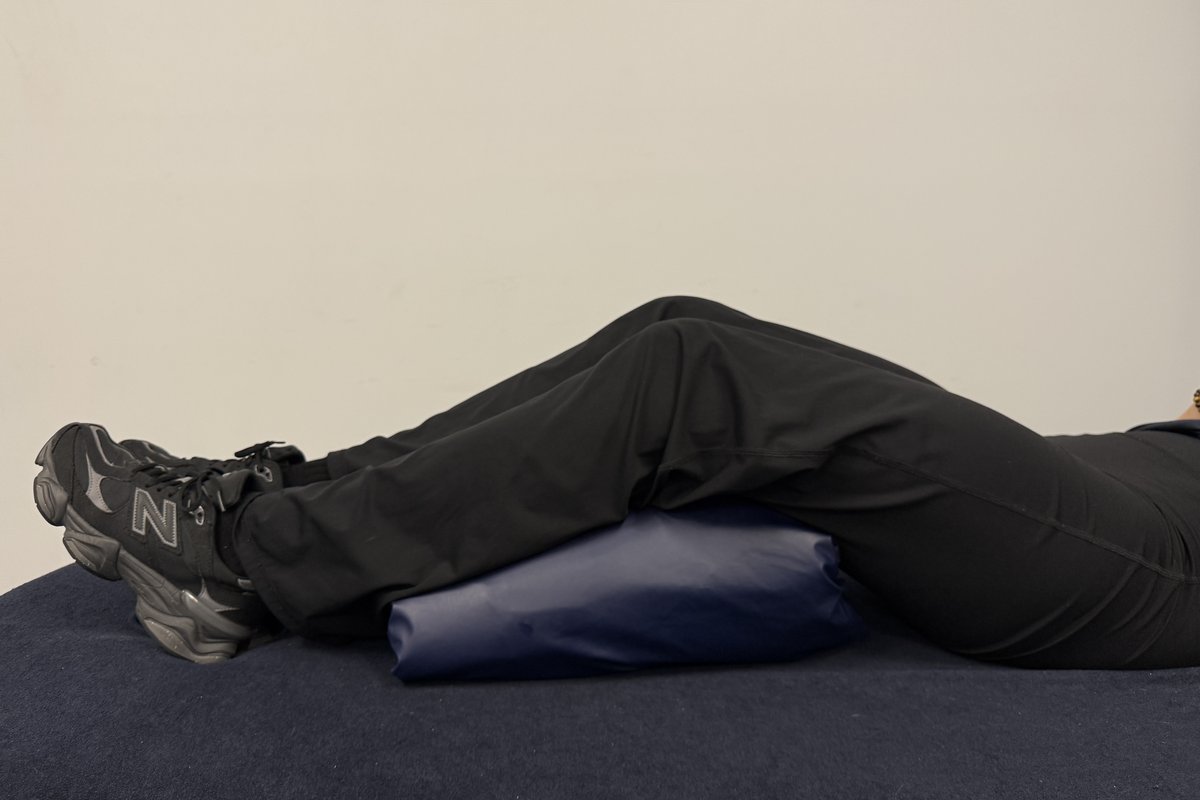
- Optimise your sleep posture: Your sleeping position can influence spinal pressure overnight.
- Side sleepers: Placing a pillow between your knees can help support pelvic alignment and reduce twisting in the lower back.
- Back sleepers: Placing a pillow under your knees helps maintain the natural curve of the lumbar spine.
- Ergonomic driving adjustments: Time in the car can aggravate symptoms due to the seated position and vehicle vibrations. To optimise your setup:
- Use a dedicated lumbar support cushion to maintain lower back posture.
- Adjust your seat so that your hips sit slightly higher than your knees.
- Consider a supportive wedge or gel cushion for extra shock absorption.
- The hourly movement rule: Prolonged static sitting increases the load on the lumbar region. Aim to change positions, stand up, or take a brief walk every hour to keep the tissues mobile and prevent stiffness.
How Targeted Exercise Helps Break the Cycle
Active management through tailored exercise is key to preventing future episodes of sciatica. Rather than avoiding movement completely, a structured program helps adapt the body to handle daily physical demands safely.
1. Improving mobility and space
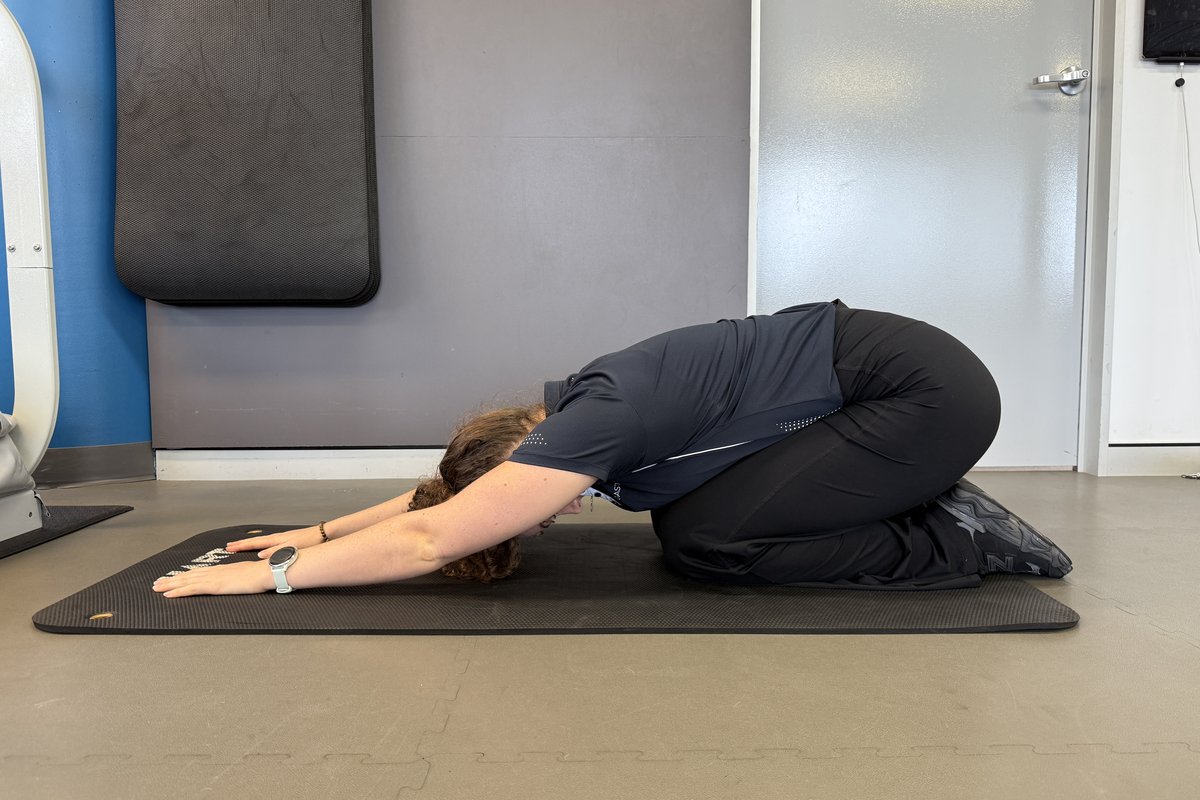
Specific, gentle mobility exercises can help ease tension around the lower back and pelvis. This reduces the mechanical pressure placed on the nerve pathway during movement.
2. Nerve flossing (neurodynamics)
Nerves do not respond well to traditional aggressive stretching, but they benefit greatly from movement. “Nerve flossing” is a specialised, gentle technique used by clinicians to glide the sciatic nerve safely through its surrounding tissues, improving its mobility and reducing sensitivity.
3. Strengthening support systems
Long-term resolution relies on building strength in the muscles that support the spine, including the deep core, glutes, and lower body. When these muscle groups work efficiently, they absorb the forces of everyday movements like lifting, bending, and walking, protecting the lower back from excessive strain.
Professional Guidance for Long-Term Recovery
Because the underlying drivers of sciatica vary from person to person, a generic approach to treating sciatica can sometimes delay recovery or make symptoms worse. An individualised assessment can identify your specific movement patterns and triggers.
Physiotherapy vs. Exercise Physiology: Who Should I See?
If you are unsure which practitioner is right for your current stage of recovery, this quick comparison can guide your next step:
| See a Physiotherapist | See an Exercise Physiologist (EP) | |
|---|---|---|
| Best for | Symptoms that are brand new, sudden, or recently flared up | Pain you have battled for a while that has settled into a recurring ache |
| Your pain | Sharp or highly sensitive to minor movements | A recurring ache you cannot seem to break |
| Your situation | Unsure if it is sciatica and need an accurate diagnosis | Have a clear diagnosis but keep getting re-injured |
| Why it works | Early assessment, hands-on therapy, and strategies to calm acute nerve distress | Long-term rehab, biomechanical conditioning, and progressive exercise for lasting resilience |
You can read more about what an Exercise Physiologist does or why physiotherapy supports faster recovery before booking.
For many people, a collaborative approach yields the best outcome: using physiotherapy to manage the initial acute phase, then transitioning to exercise physiology to strengthen your lower back for the future.
Our team helps you move beyond temporary relief. We develop a customised strategy to address your symptoms, modify your daily environments, and build long-term spinal strength.
Contact our clinic today to book an appointment and take control of your recovery.


 Helping the Central Coast Feel Well, Move Well and Perform Well!