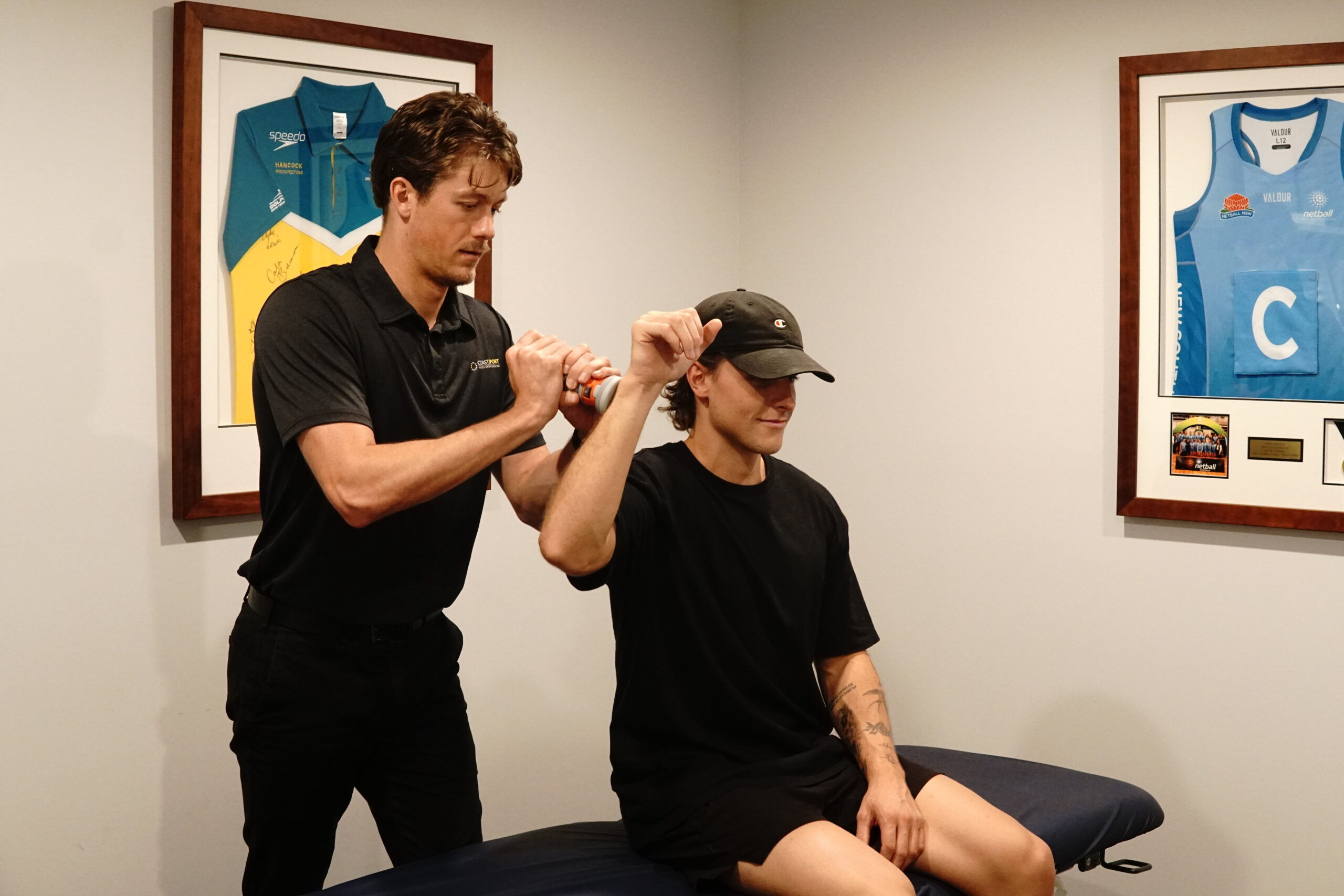
Shoulder pain is a common presentation in physiotherapy clinics, and the rotator cuff can be a common culprit of the problem. At Coast Sport, our physiotherapists regularly prescribe rotator cuff exercises to assist patients recover from injury, reduce pain and promote long term shoulder health. In this blog, we will outline safe and effective exercises for damaged rotator cuff conditions, explaining how they can improve strength, control and/or stability. No matter your goal, these exercises will form a foundation that facilitates healthy shoulder function.


What is the Rotator Cuff?
The rotator cuff is a group of muscles located at the back of the shoulder that are responsible for keeping the shoulder stable and moving fluently, particularly during dynamic tasks such as lifting, reaching or sporting activities. Dysfunction, weakness, overload or injury to the rotator cuff muscles can lead to pain with the simplest of tasks which can become increasingly frustrating. Using the most appropriate rotator cuff exercises is a key part of both recovery and long-term shoulder health.
Early Stage Rotator Cuff Exercises
Correct exercise prescription is essential throughout rehabilitation of any injury. Exercises that place too much reliance on certain structures, are dosed incorrectly or are performed with inadequate technique have the potential to exacerbate symptoms which may prolong recovery. Isometric and motor control exercises are a common exercise modality prescribed during the early stages of recovery. Isometric exercises allow the patient to control their effort to promote muscle activation without having to move the shoulder into a painful or apprehensive position. Motor control exercises are also commonly prescribed in early stages and have been shown to be more effective than non-specific exercise1 . These exercises promote correct movement patterns of the shoulder, which if not targeted, could lead to aberrant movement of the shoulder girdle and secondary issues.
Examples of Early Stage Rotator Cuff Exercises


Progressive Rotator Cuff Exercises for Strength and Control
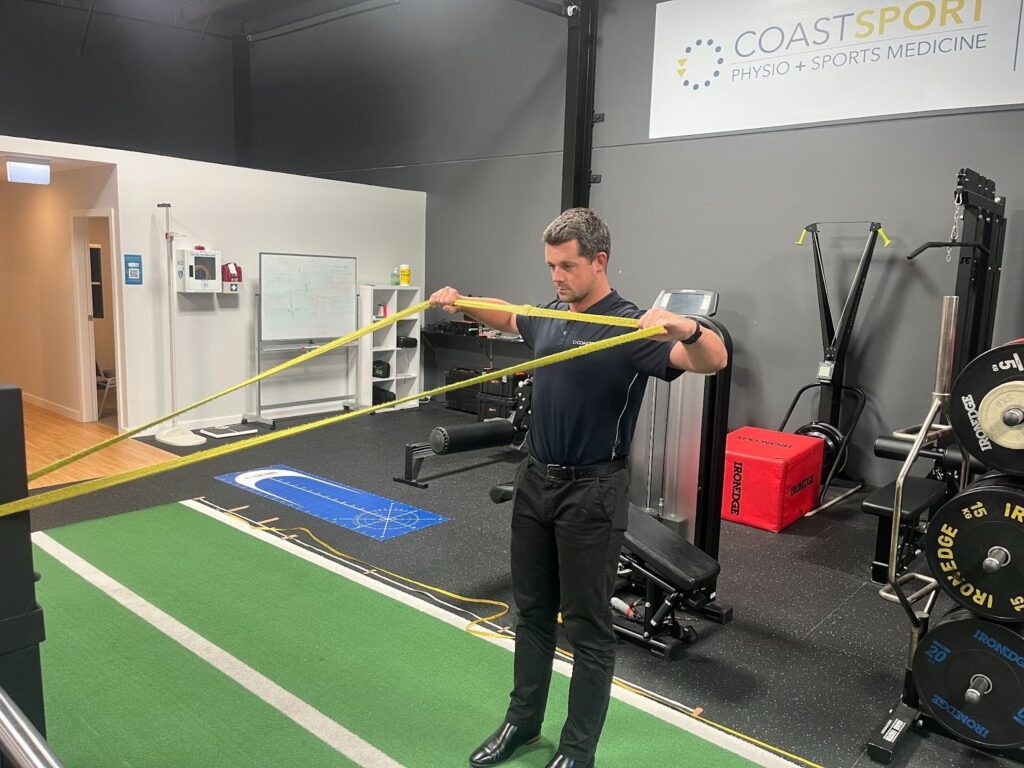
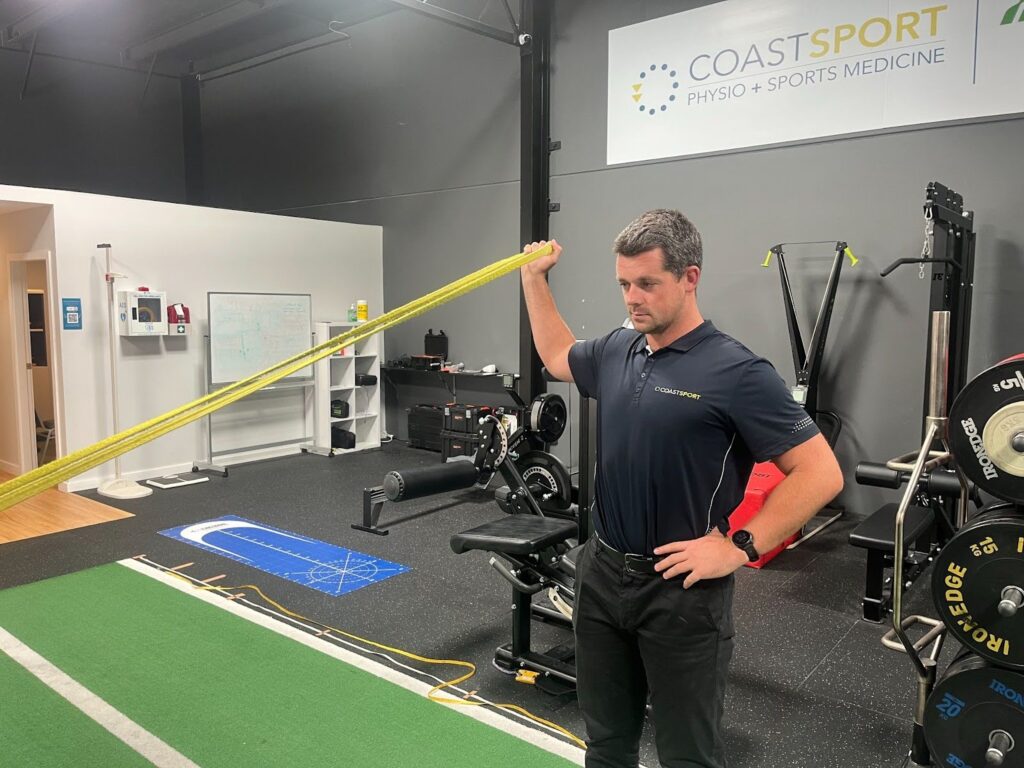
Once a patient’s acute symptoms have settled and they can tolerate basic isometric rotator cuff and scapular control work, it is important that the goals of exercise transition to target rotator cuff and general shoulder girdle strength and control in increasingly functional positions. The rotator cuff is responsible for internal and external rotation of the shoulder, so rehabilitation should aim to strengthen one or both of these movements depending on the patient. Research shows that targeted rotator cuff exercises can lead to significant increases in shoulder strength in comparison to a general shoulder strengthening program in people with shoulder pain2. This can be achieved in a number of ways; for example, using dumbbells or exercise bands. In this stage, the cuff will be challenged to become active throughout range against resistance.
Progressive Rotator Cuff Exercise Examples
Advanced Rotator Cuff Exercises for Sport and Work Demands
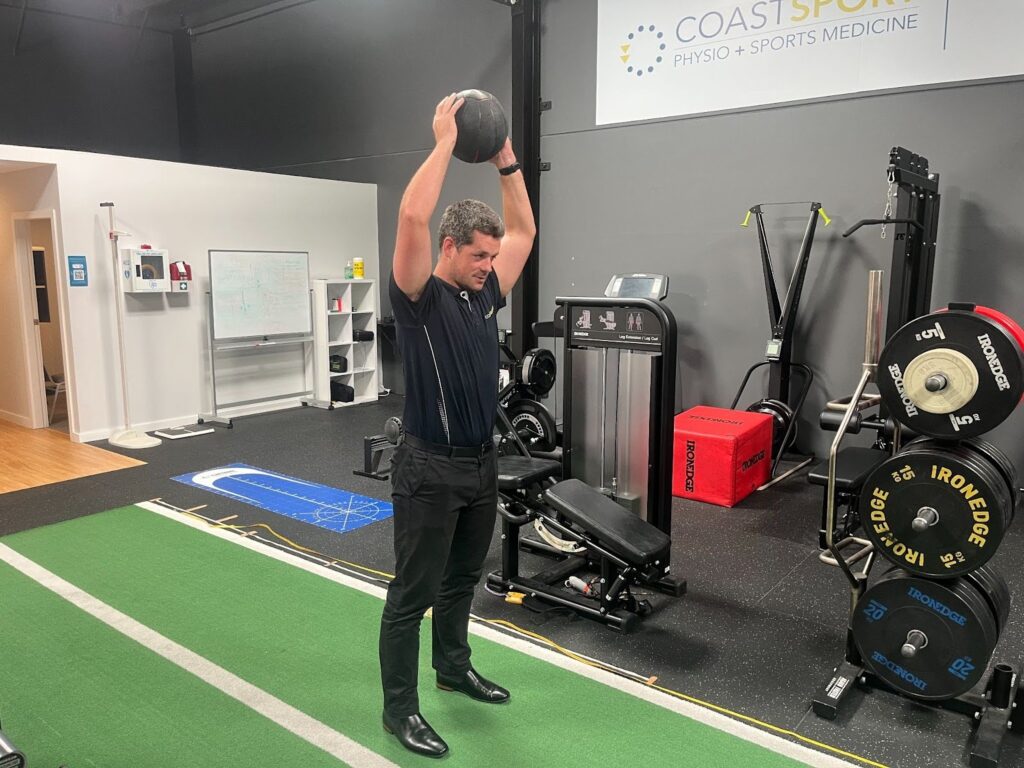
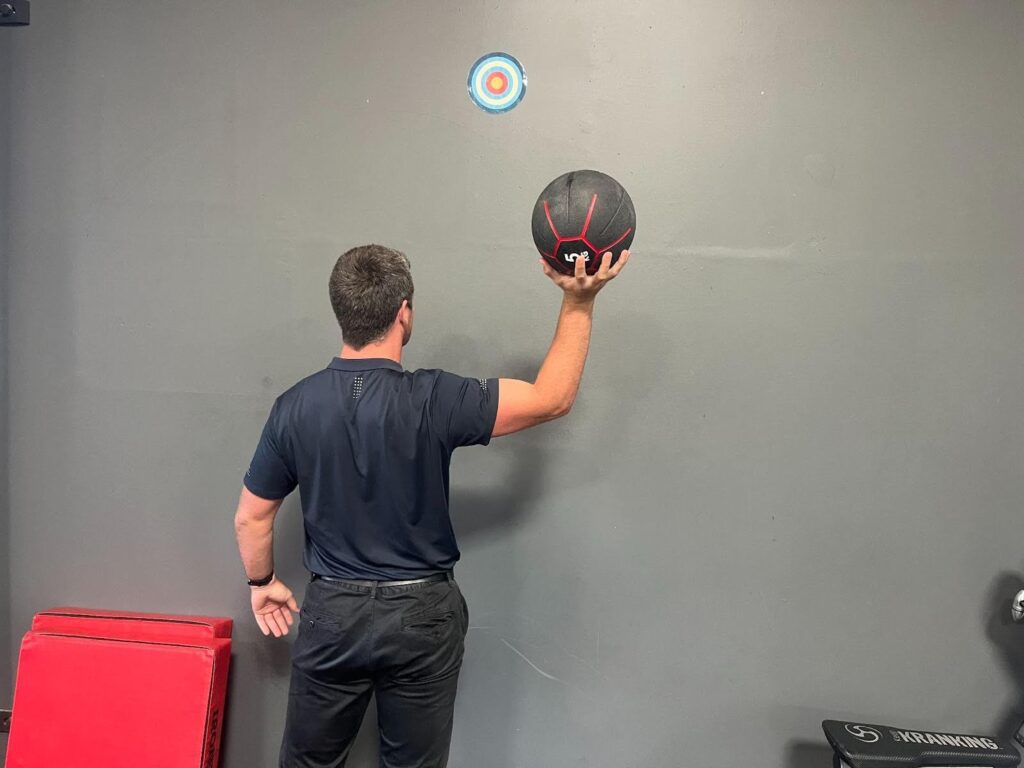
The end stage of rotator cuff rehabilitation needs to closely mirror the demands that may be required of a patient during work and/or sport. Commonly, patients with rotator cuff related pain will have pain during overhead activities, so exercises during this stage need to ensure that the rotator cuff is loaded during overhead movement patterns. Whether you pain is caused by reaching for the top shelf or during athletic tasks, exercise prescription needs to be individualised to each patient. For an athletic population, this might involve power, plyometric and other sports specific drills that are required and often measured prior to a return to play following a rotator cuff injury.
Advanced Rotator Cuff Exercise Examples
How Can Coast Sport Help?
At Coast Sport Physiotherapy, we understand that no two shoulder injuries are the same. Effective rotator cuff rehabilitation requires more than generic exercises — it starts with a thorough assessment to identify the specific structures involved, contributing movement patterns, and individual goals. Our physiotherapists design tailored rotator cuff exercise programs that progress through pain management, strength development, and functional or sport-specific rehabilitation as appropriate. Whether you’re managing a damaged rotator cuff, returning to work, or aiming to get back to sport, we focus on restoring shoulder strength, control, and confidence while reducing the risk of re-injury through evidence-based care and guided progression.
References
- Lafrance S, Charron M, Dubé MO, Desmeules F, Roy JS, Juul-Kristensen B, Kennedy L, McCreesh K. The Efficacy of Exercise Therapy for Rotator Cuff-Related Shoulder Pain According to the FITT Principle: A Systematic Review With Meta-analyses. J Orthop Sports Phys Ther. 2024 Aug;54(8):499-512. doi: 10.2519/jospt.2024.12453. PMID: 38848304.
- Chaconas EJ, Kolber MJ, Hanney WJ, Daugherty ML, Wilson SH, Sheets C. SHOULDER EXTERNAL ROTATOR ECCENTRIC TRAINING VERSUS GENERAL SHOULDER EXERCISE FOR SUBACROMIAL PAIN SYNDROME: A RANDOMIZED CONTROLLED TRIAL. Int J Sports Phys Ther. 2017 Dec;12(7):1121-1133. doi: 10.26603/ijspt20171121. PMID: 29234564; PMCID: PMC5717488.
- Griffith R, Fretes N, Bolia IK, Murray IR, Meyer J, Weber AE, Gamradt SC, Petrigliano FA. Return-to-Sport Criteria After Upper Extremity Surgery in Athletes-A Scoping Review, Part 1: Rotator Cuff and Shoulder Stabilization Procedures. Orthop J Sports Med. 2021 Aug 6;9(8):23259671211021827. doi: 10.1177/23259671211021827. PMID: 34395687; PMCID: PMC8358521.


 Helping the Central Coast Feel Well, Move Well and Perform Well!